Pastoralism
Pastoralism
Presentation
The Ossau Valley has managed to keep its cultural traditions alive.
Transhumance
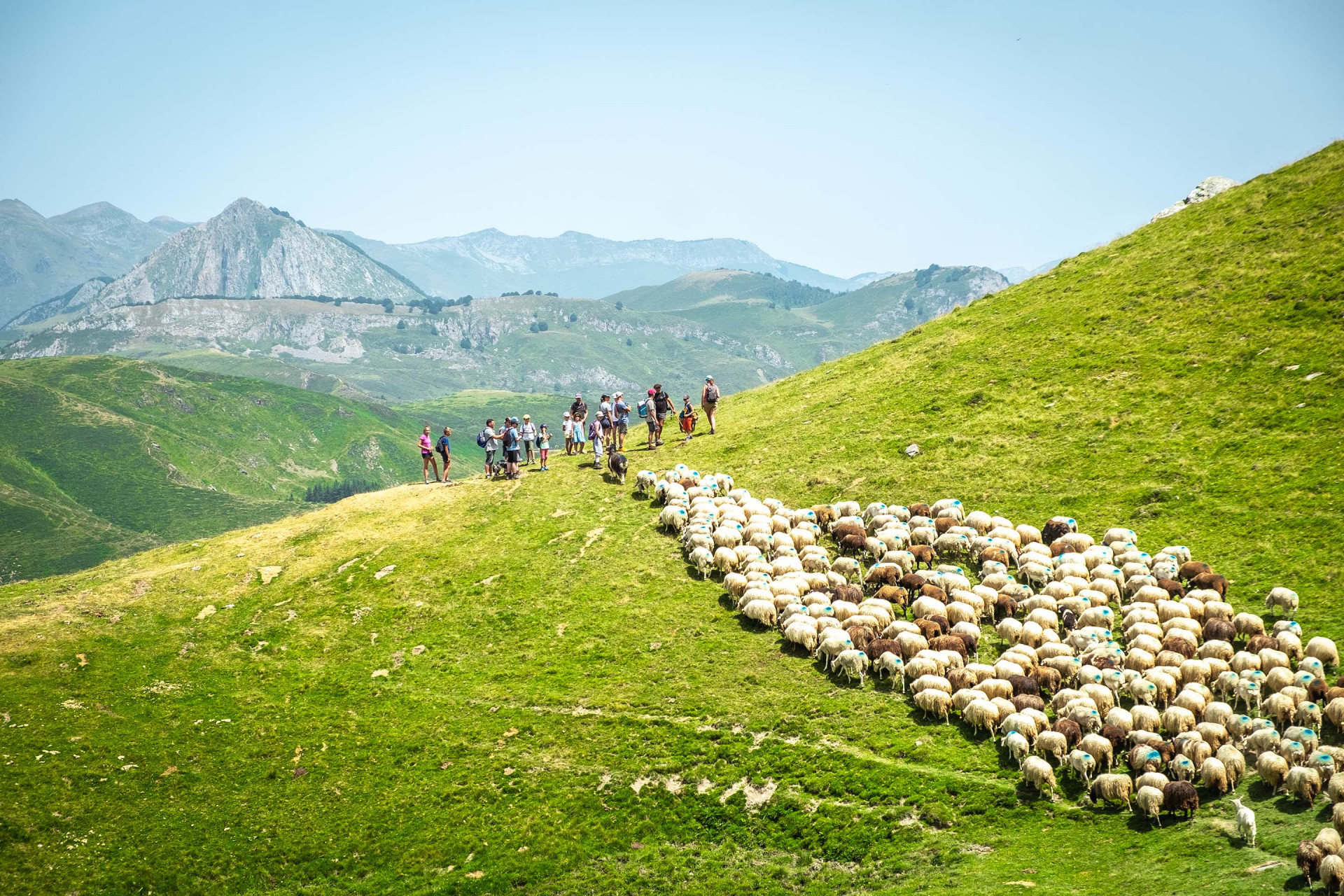
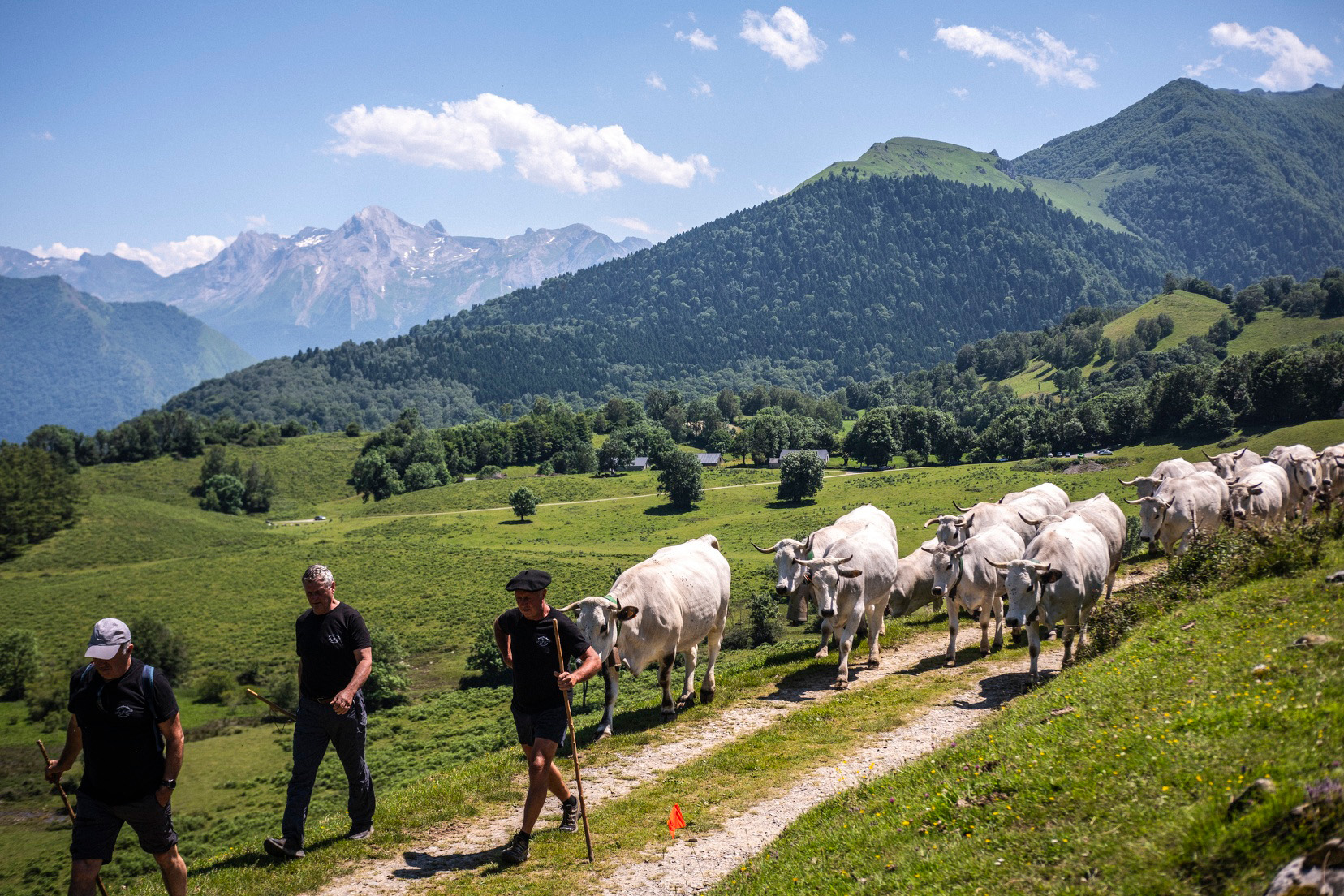
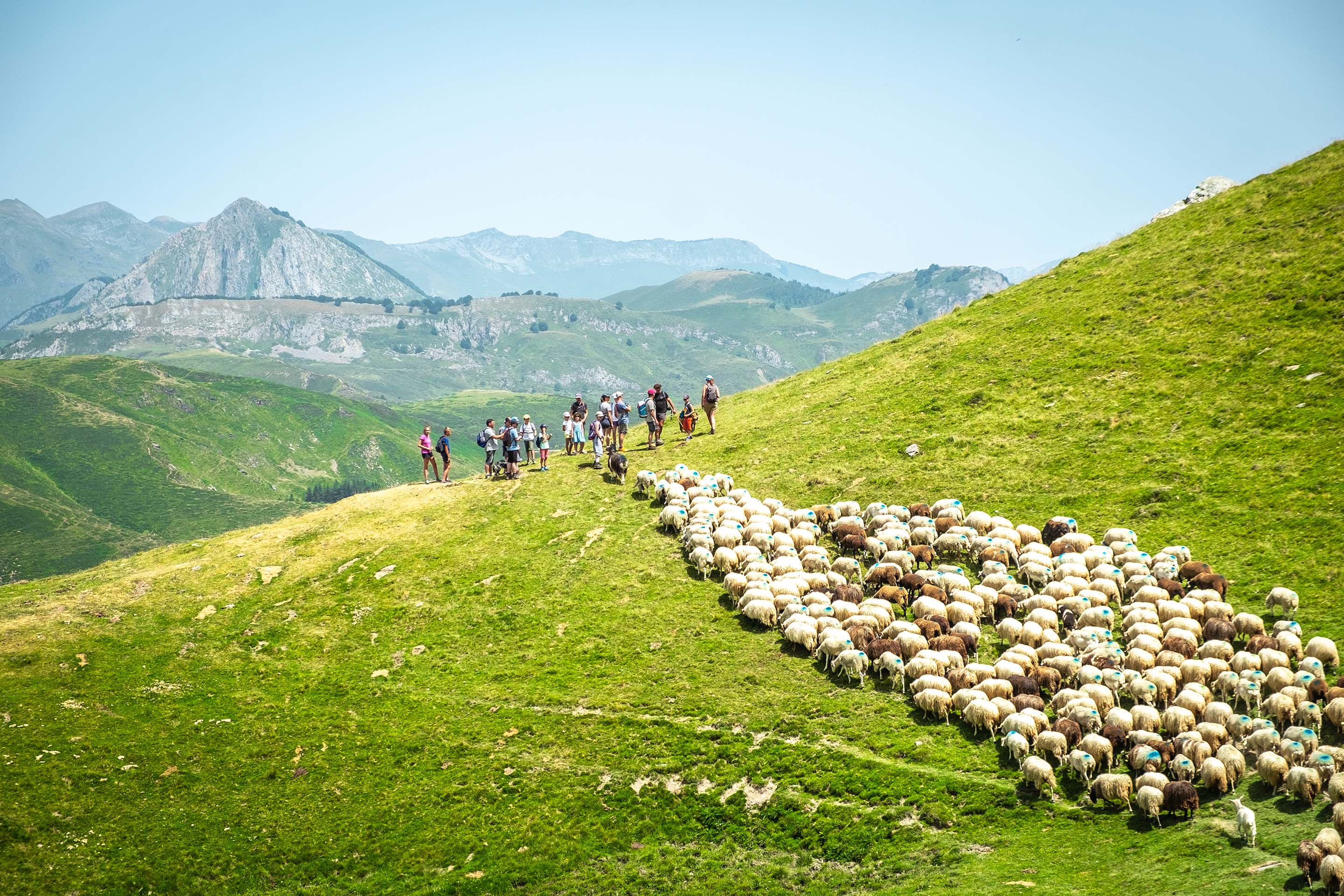
Every year at the beginning of July, transhumance takes place: the shepherds of the valley lead their flocks to the summer pastures at high altitude.
During these months in the summer pastures, every morning and evening, the shepherd milks his ewes to make cheese.
This cheese is known as ‘Fromage d'Estive’ (summer cheese), the jewel in the crown of Ossau cheese.
For several years, the herds were taken up to the summer pastures by lorry.
Some still practise ‘traditional transhumance’. This means that the herd makes its way up to the summer pastures at its own pace, walking through the villages. The summer grazing period varies depending on the area and altitude of the pastures.
Some transhumance takes place at the beginning of June, while the herds that go to the pastures of Anéou or Bious only go up at the beginning of July (on average between 4 and 11 July).
Two days, excluding weekends, are organised on the theme of pastoralism with the marking of animals (on the Bénou plateau, in the Monplaisir district of Gère-Belesten), with stops planned for the herds and their herders, conferences and entertainment.
An event not to be missed!
See the interactive map here
The stages of transhumance
An ancestral ritual that makes the heart of the mountains beat
Every year, at the end of spring, the Ossau Valley vibrates to the rhythm of transhumance.
More than just a simple movement of herds, it is a true cultural event, a deeply rooted tradition that marks the opening of the summer grazing season.
Behind this bucolic image of animals moving towards the heights lies meticulous work, prepared for days on end by the shepherds.
A climb that is prepared well before departure
Eight to ten days before the transhumance, the shepherds go to the summer pastures to get everything ready.
The huts are reopened, the fences checked and the water points inspected. They also bring up all the equipment needed to live at altitude for several months: food, tools, medical supplies, bedding, etc.
It's a real move that symbolically marks the arrival of summer.
Gathering the herd: a key step
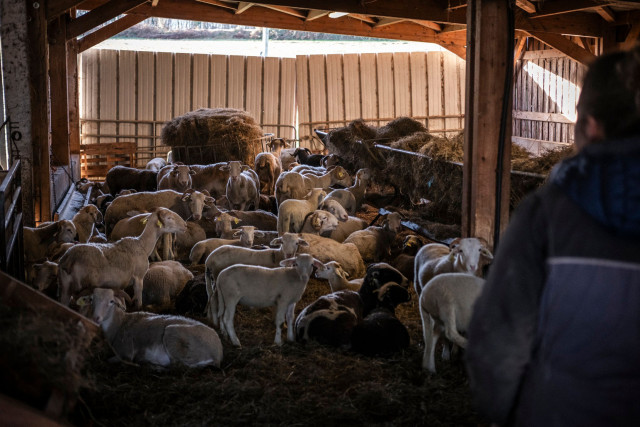
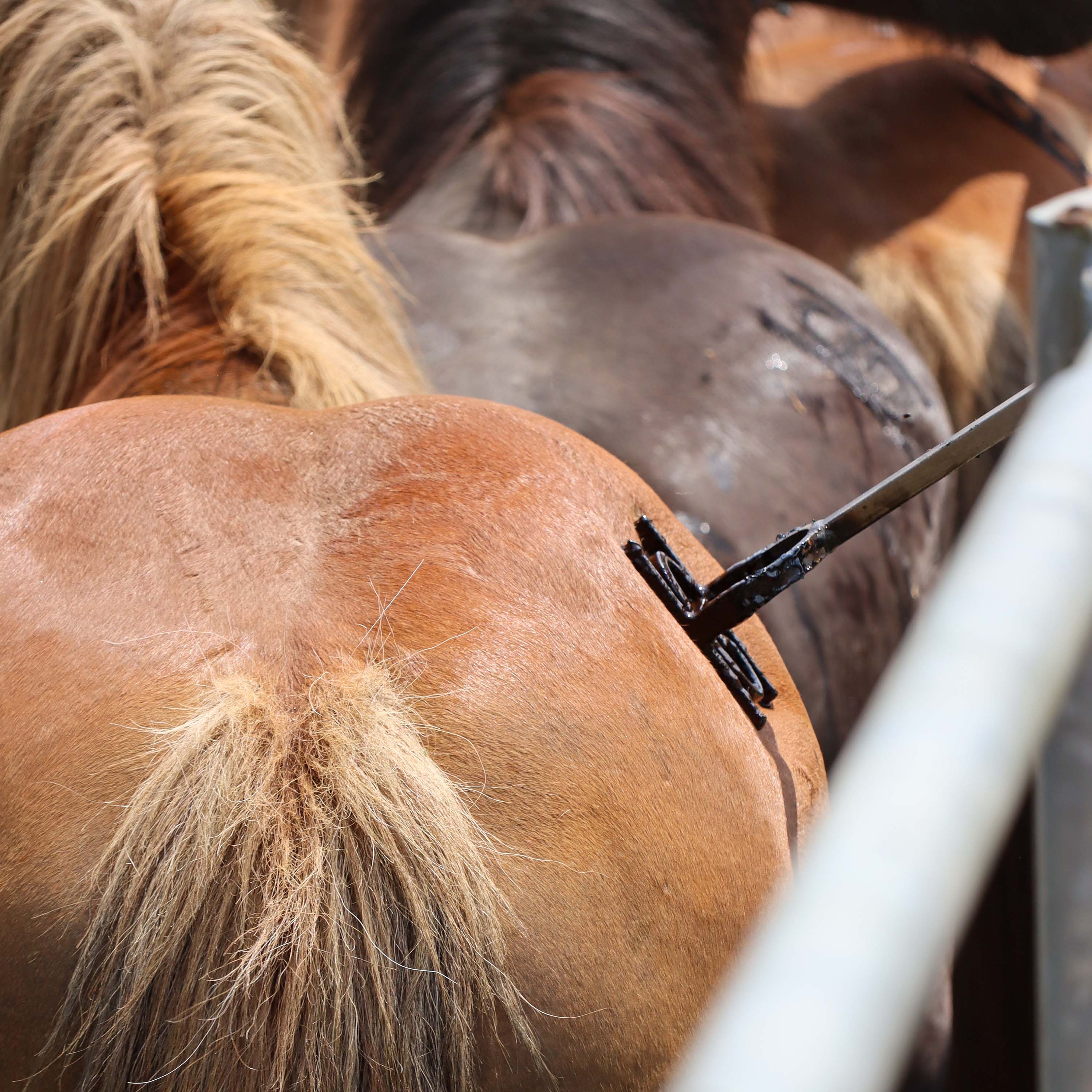
Before setting off, the animals — which spend the spring in the mid-mountains — are brought down, penned and marked.
Each farmer has their own identifying mark, passed down from generation to generation. These symbols make it easy to identify the animals when they mix with neighbouring herds during the summer grazing season.
Bells: expertise, sound, emotion
It is impossible to talk about transhumance without mentioning bells, which are part of the valley's sound heritage.
Choosing the 'leaders'
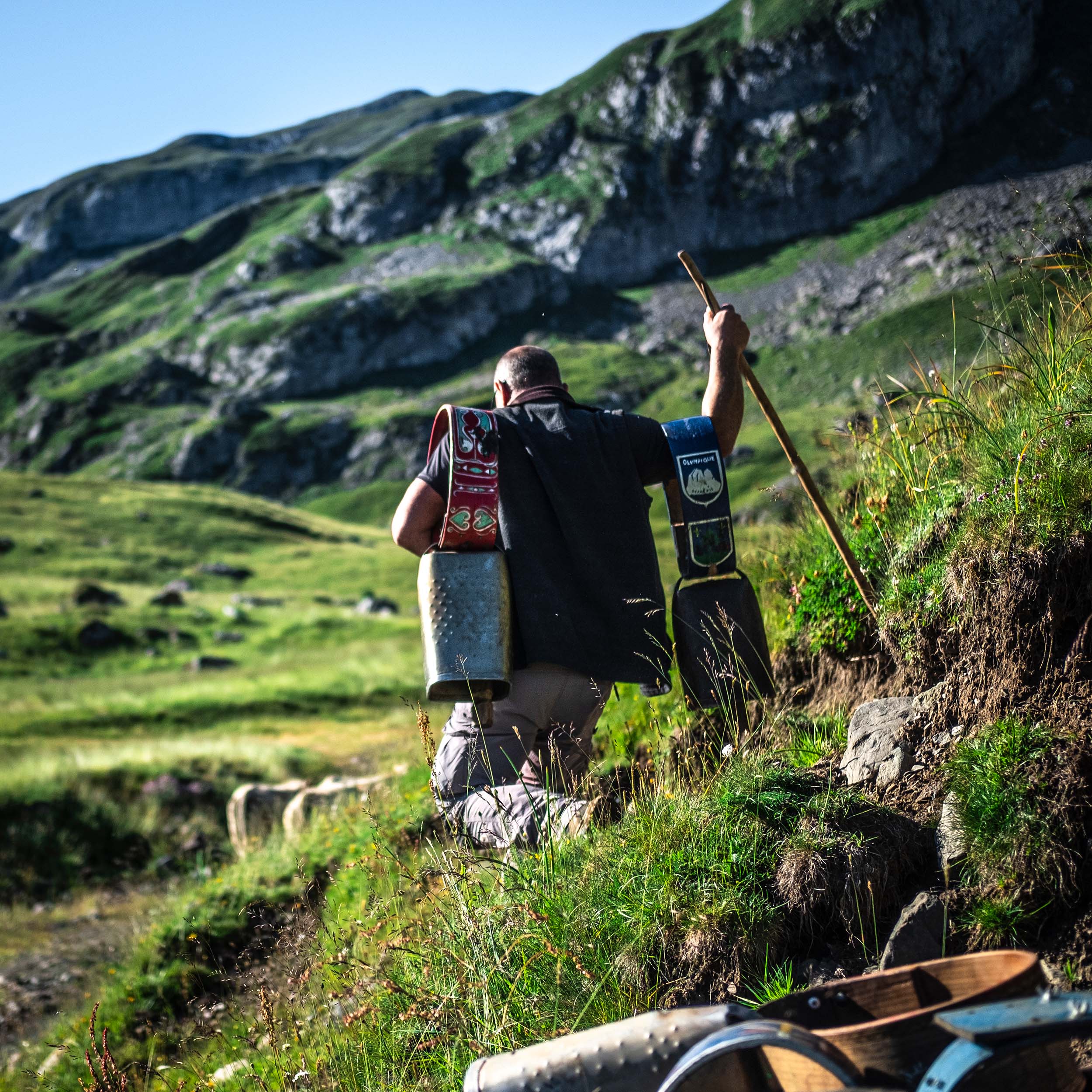
Before setting off, the shepherds select the finest, strongest animals, those that will set the pace for the herd. These are the ones that will carry the largest bells: the road bells.
There are two main types:
- Esquèra bells, which are rectangular and produce a clear, crystalline sound;
- Truc bells, which are rounder and produce a deep, low sound.
Once in the summer pastures, the animals will swap these heavy road bells for small bells, more suited to everyday life in the summer pastures.
Unique, handcrafted pieces
The bells of the Ossau Valley come mainly from the Daban (Nay) and Coumes (Asson) workshops, heirs to a rare craft. Some also come from Spain.
The wooden collars, carved and painted by hand, have also become difficult to find. They often feature traditional motifs: flowers, coats of arms, pastoral symbols or the herdsman's personal mark.
On the day of departure, the tinkling of bells echoes through the villages and draws the inhabitants to their doorsteps: a sound that is part of the collective memory.
An often collective departure
The process of putting bells around the animals' necks and preparing the herd requires a lot of manpower. This is one of the reasons why some shepherds today choose to move their flocks by truck, even though the tradition of walking remains very much alive.
When done on foot, transhumance becomes a powerful social event: families, friends and neighbours accompany the shepherd, sometimes for several kilometres.
It is a joyful walk that symbolises the call of the mountains and the start of a new summer season.
Four species at the heart of Ossau pastoralism
In the Ossau Valley, transhumance mainly concerns:
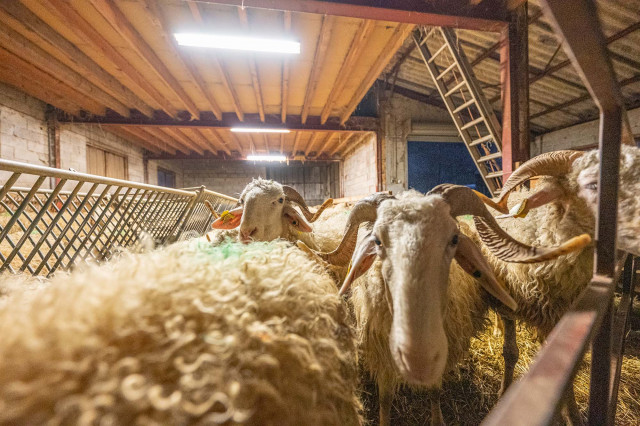
- Béarnaise sheep, the emblem of the valley,
- horses,
- cows,
- and a few goats.
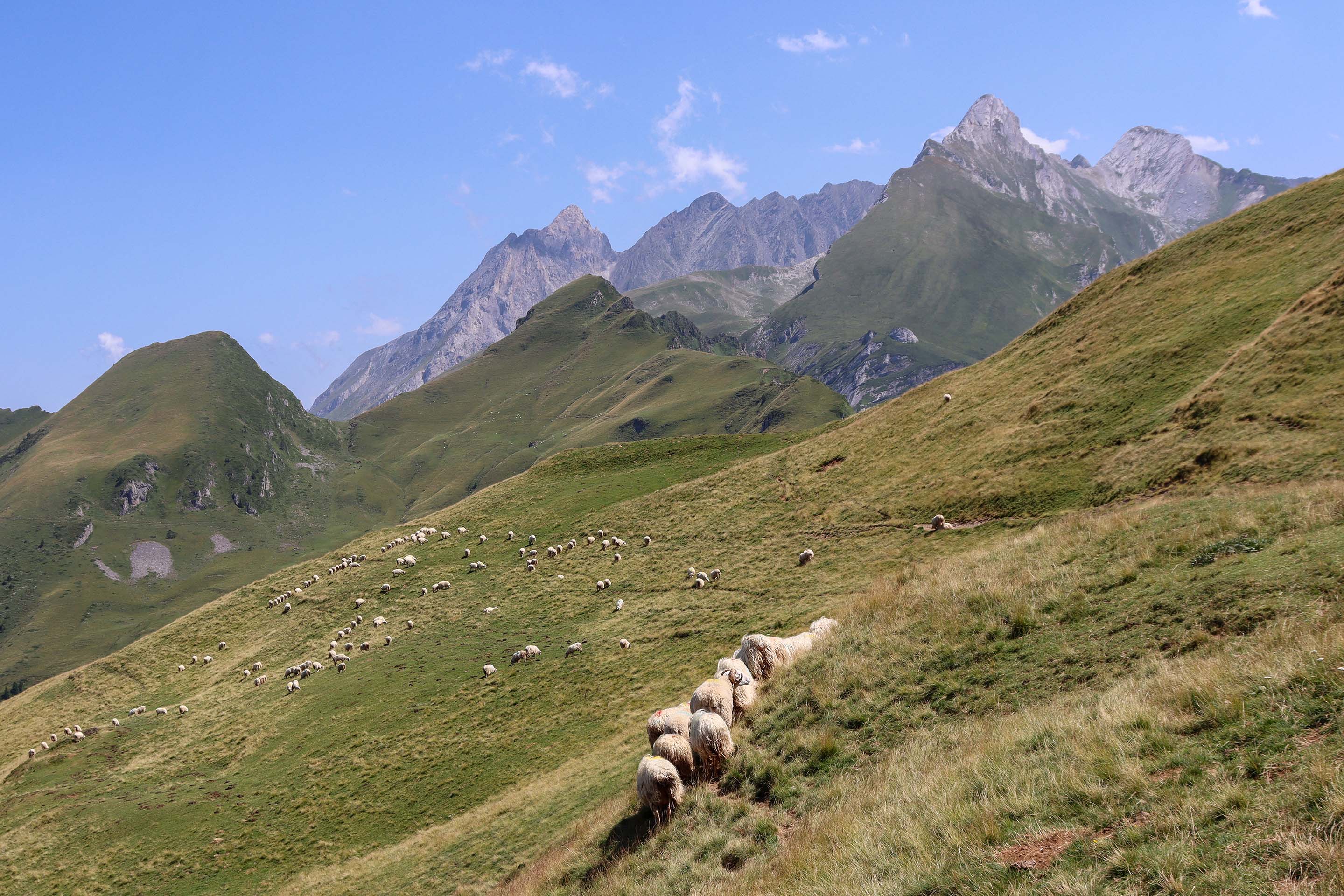
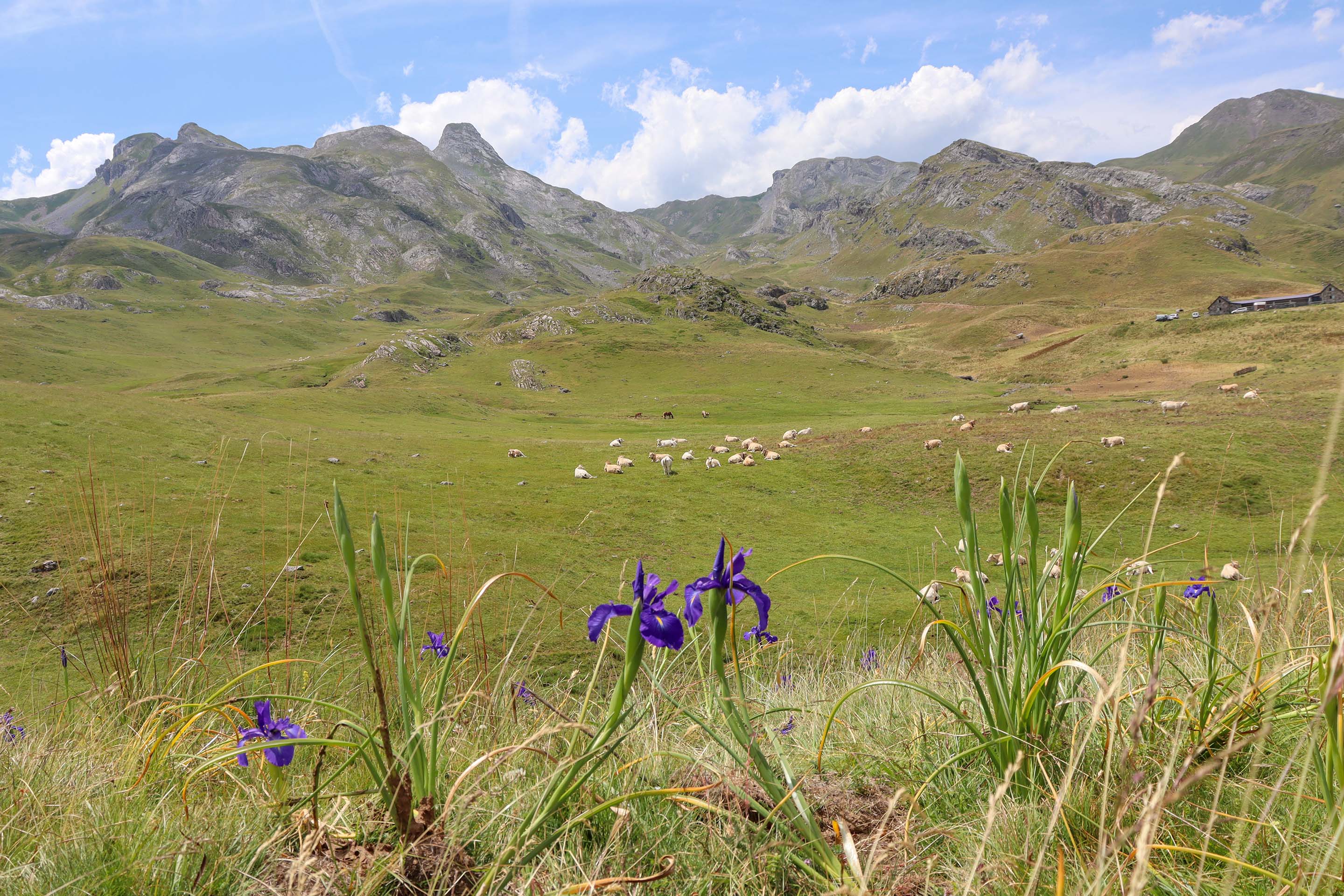
Each species moves up to its designated summer pastures where it will spend the summer, enjoying rich grasses and pure air, which are essential for the quality of the cheese and the ecological balance of the landscape.
A living link between man, animal and mountain
In the Ossau Valley, transhumance is not just a heritage: it is a ritual that is still alive today, bringing people together and telling the story of the region's identity.
Once the herds have arrived, the mountains come alive: the summer grazing season can begin.
Cheese in the Ossau Valley
In the Ossau Valley, there is a culinary ritual that no holidaymaker wants to miss: tasting the local cheese.
It can be sampled at market stalls, on farms or in shepherds' huts.
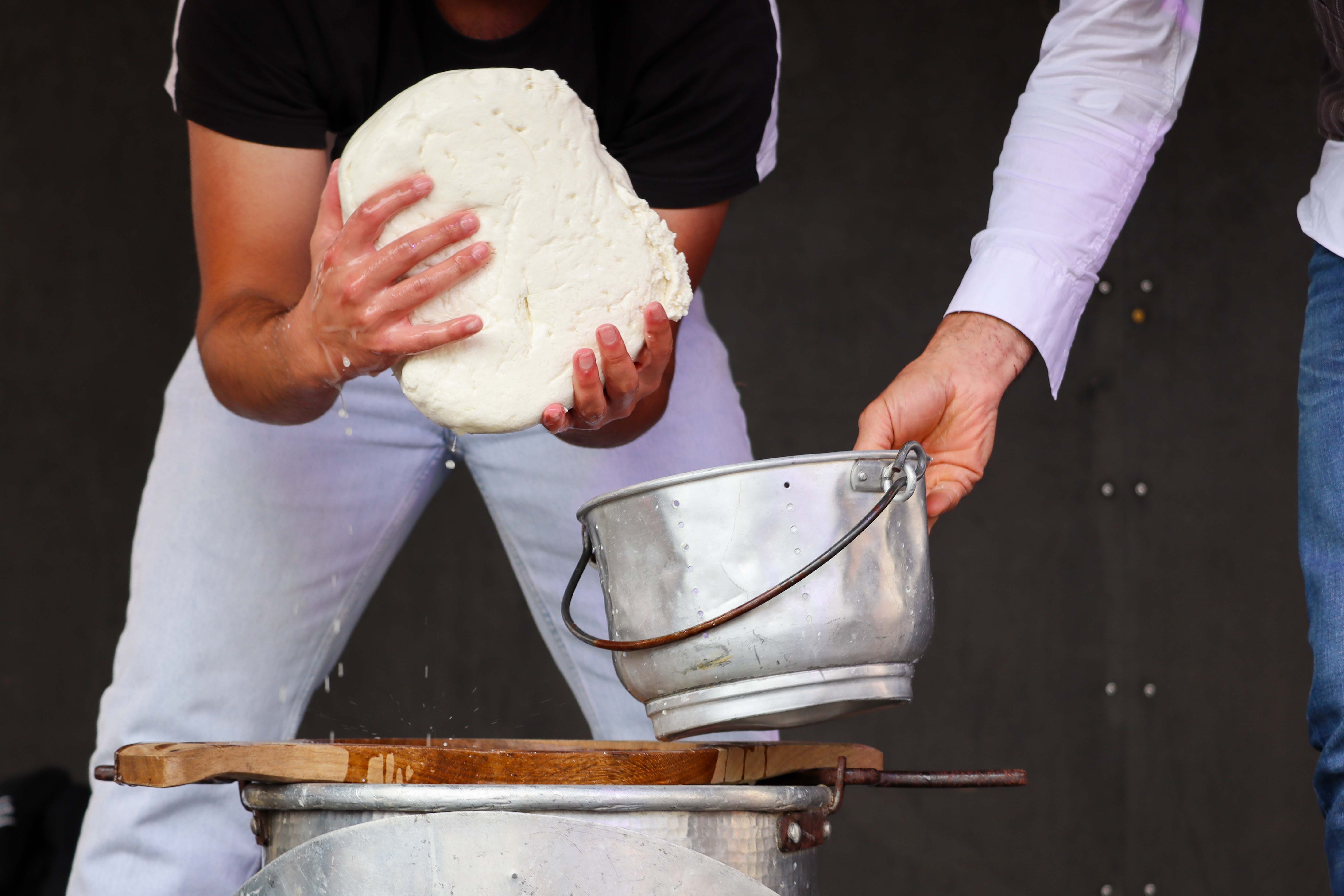
During your holiday in the Ossau Valley, you will have the opportunity to discover a variety of cheeses. Among them, of course, is tomme de brebis: a raw sheep's milk cheese that is pressed but not cooked, and made by hand using a very old method.
In the Ossau Valley, you can enjoy Pur Brebis, but that's not all... Our producers also offer goat's cheese, cow's cheese, mixed cheese, and more.
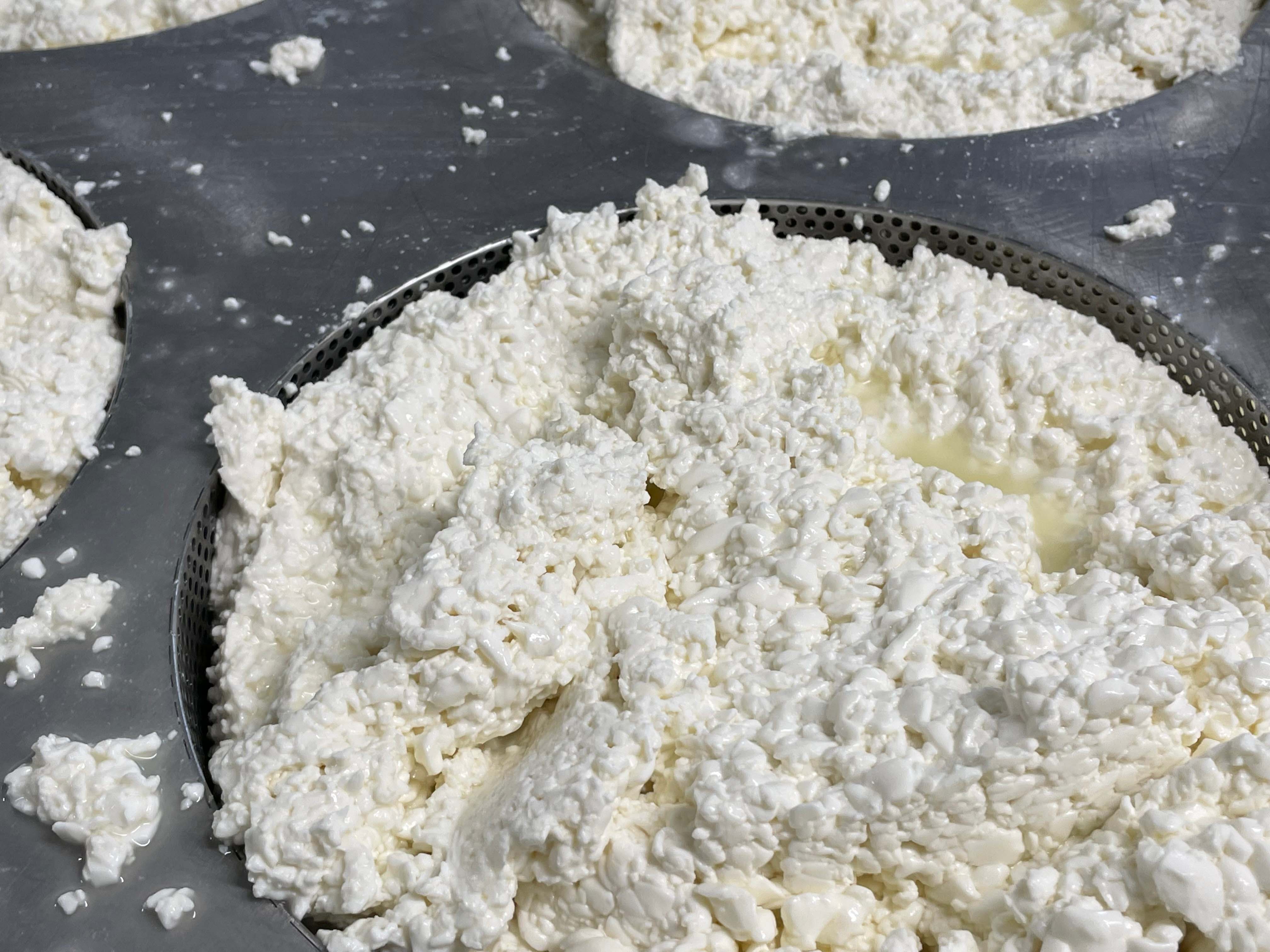
Another speciality, albeit less popular, is greuil, a cheese speciality from Béarn. This is sheep's milk curd made from the whey produced during the manufacture of sheep's milk tomme. It is traditionally eaten as a dessert with a little coffee and a dash of Armagnac.
It can also be enjoyed salted and peppered, mixed with a few sprigs of chives and shallots. Every shepherd has their own method and little secrets!
During the Cheese Fair, which takes place every year in Laruns on the first weekend of October, a competition rewards the best sheep's milk cheese in the Ossau Valley. This traditional festival is also called ‘Hera Deu Hromatge’ in the local language.
Don't miss out!
Let yourself be guided from farms to cheese dairies, from huts to salting rooms, and discover the ancestral history of pastoralism with the interactive map here.
Find all the events, farmers' markets and farms offering direct sales.
Bonus: Meet the producers and share their passion for their work, their expertise and their products.
See the map
We also suggest...