Béost, exploring the heritage of the Ossalois region... Remarkable architectural heritage along the Way of St James
With its blend of history, traditions and landscapes, Béost offers a living testament to the heritage of the Pyrenees, where every stone, every path and every house continues the story of a village deeply rooted in its heritage.
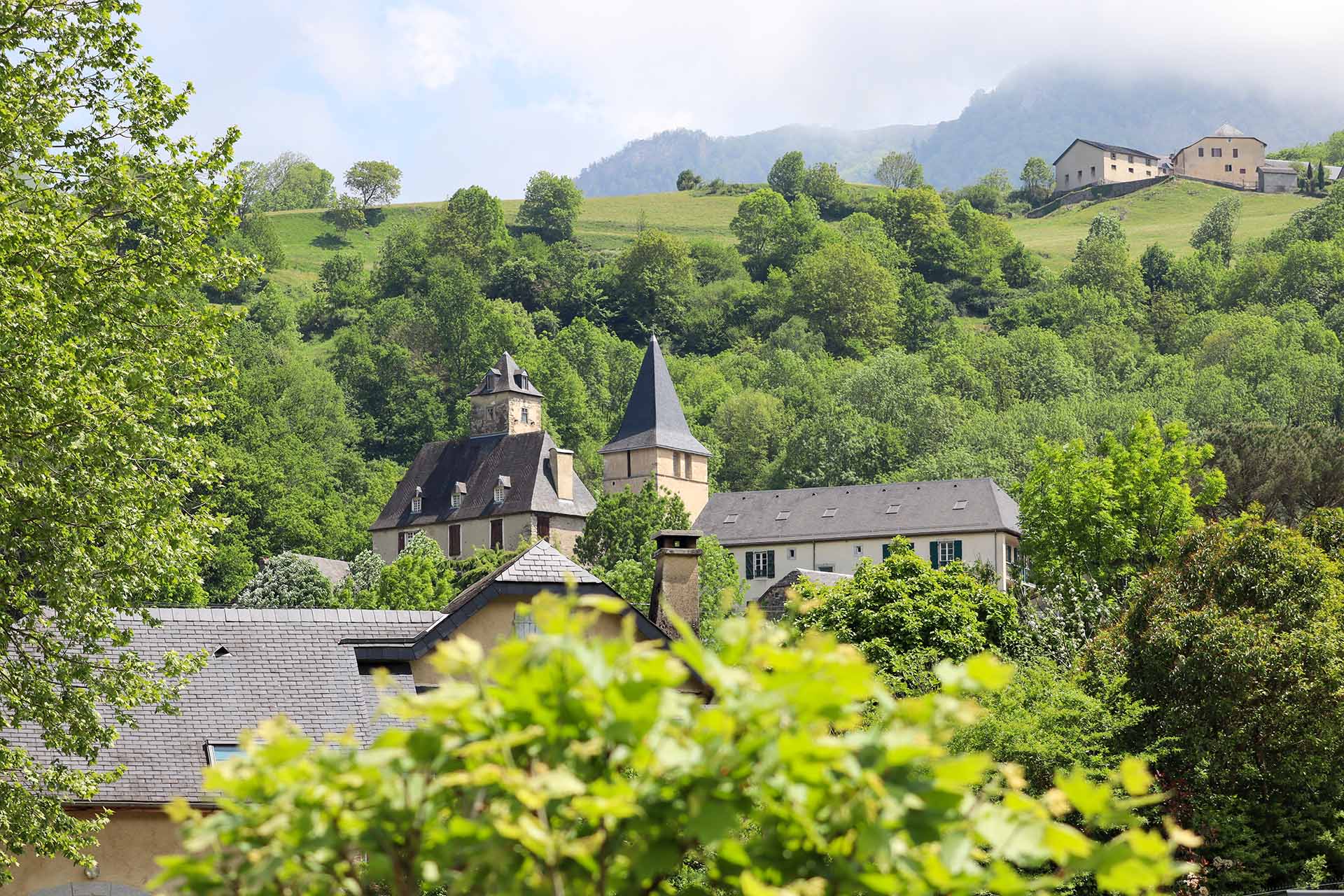
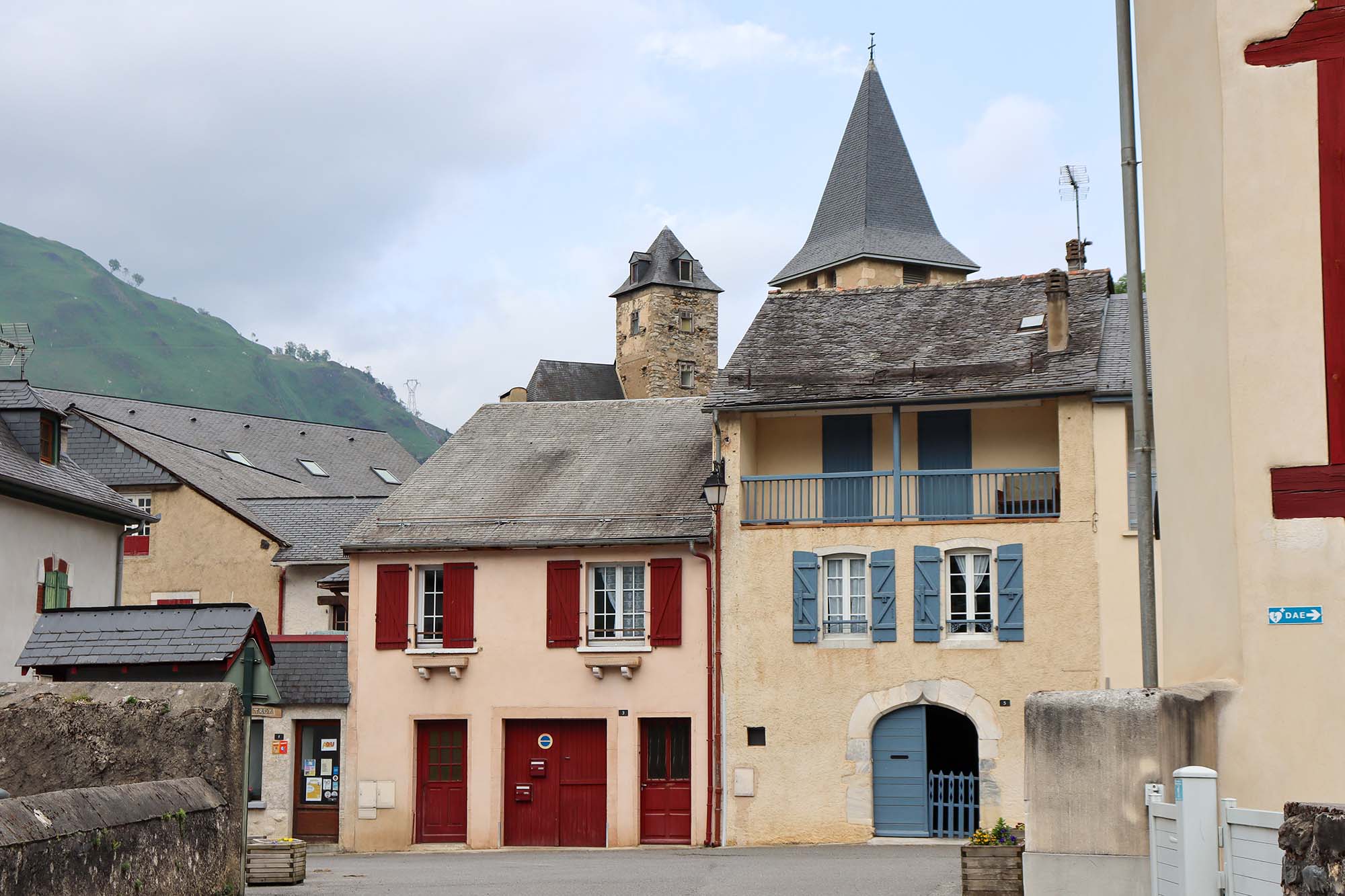
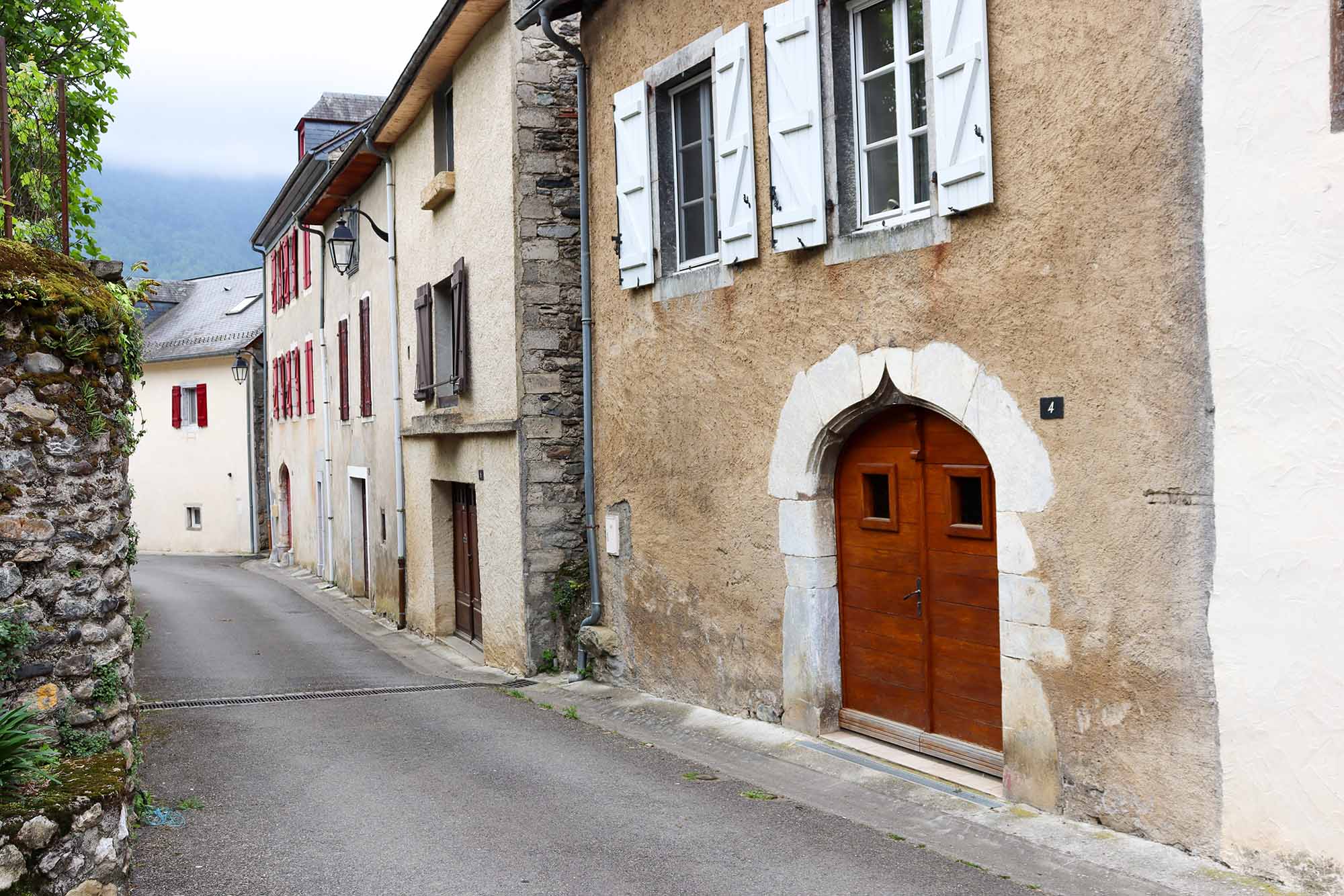
In the heart of the Ossau Valley, the village of Béost reveals a heritage of unique richness that invites you to look up and observe the details of the façades.
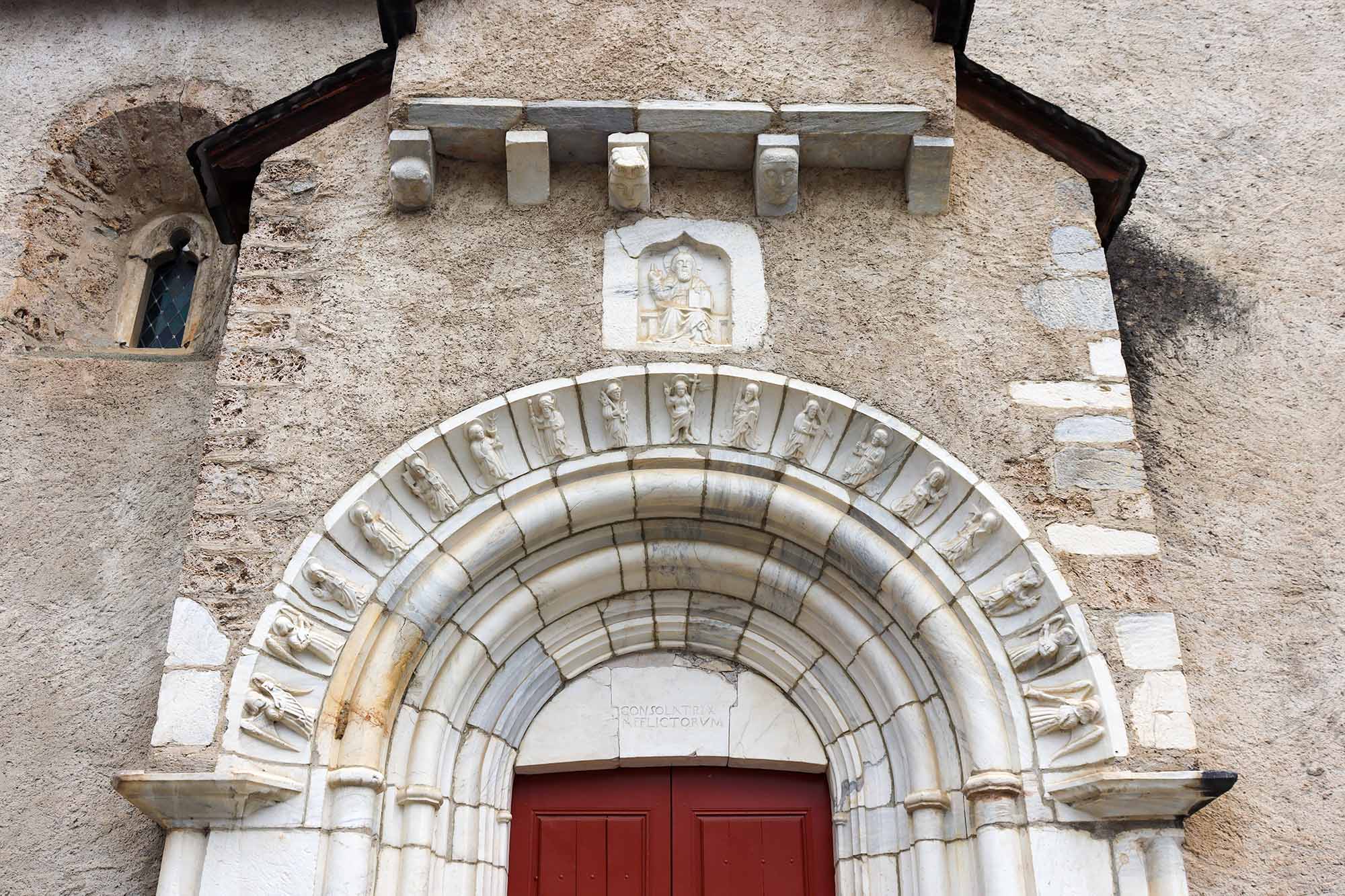
In Béost, every house tells a story through carved stones, lintels and cartouches adorned with motifs (floral, religious, political or even professional), bearing witness to ancient craftsmanship and an identity deeply rooted in this region.
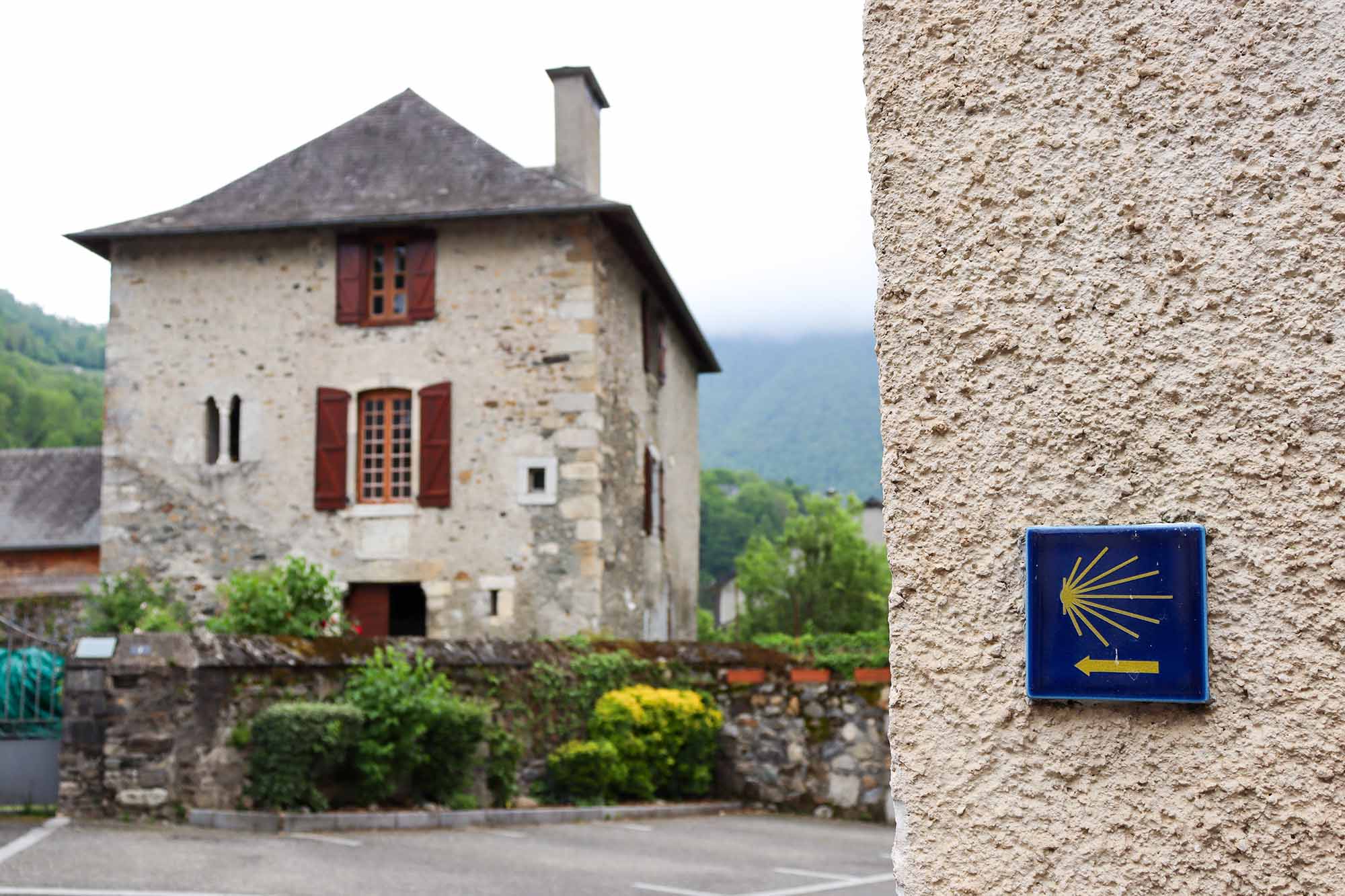
Some of these decorations, featuring the scallop shell, serve as a reminder that Béost is a stop on the Way of St James.
This tradition of welcoming pilgrims is also evident in its architectural heritage, particularly in its 12th-century castle and church.
The church of Béost also retains an air of mystery...
During the restoration of the church in 1968, around thirty skeletons were discovered above the vault. These may have been pilgrims on the Way of St James, victims of the plague epidemic of 1600, who were apparently walled up there to contain the contagion.
A village steeped in history
The origins of Béost date back to at least 1328, the year in which the village first appears in the archives.
In 1385, under Gaston Fébus, there were 25 ‘ostaus’ (houses) here, and 7 in Bagès.
Later, under the Old Regime, community life was based on a unique collective organisation.
The village was administered on a rotating basis by the heads of the main houses, following approval by the inhabitants. Local justice was administered directly on a bench situated in the centre of the village.
Béost was also distinguished by the simultaneous presence of three lay abbots, responsible for collecting the tithe and appointing the parish priest.
The distribution of this tithe, part of which was paid back to the community, illustrates a system as complex as it was ingenious, which disappeared with the Revolution of 1789.
A shared and vibrant region
The territory of Béost stretches from the Gave d’Ossau to the borders of the Hautes-Pyrénées, beyond the Aubisque Pass. Certain pastures, located to the east of the pass, have been shared since the 18th century with the neighbouring communes of Arrens, Marsous and Arbéost, under a system of alternating management.
Similarly, part of the forest is managed jointly with Louvie-Soubiron.
The Hamlet of Bagès
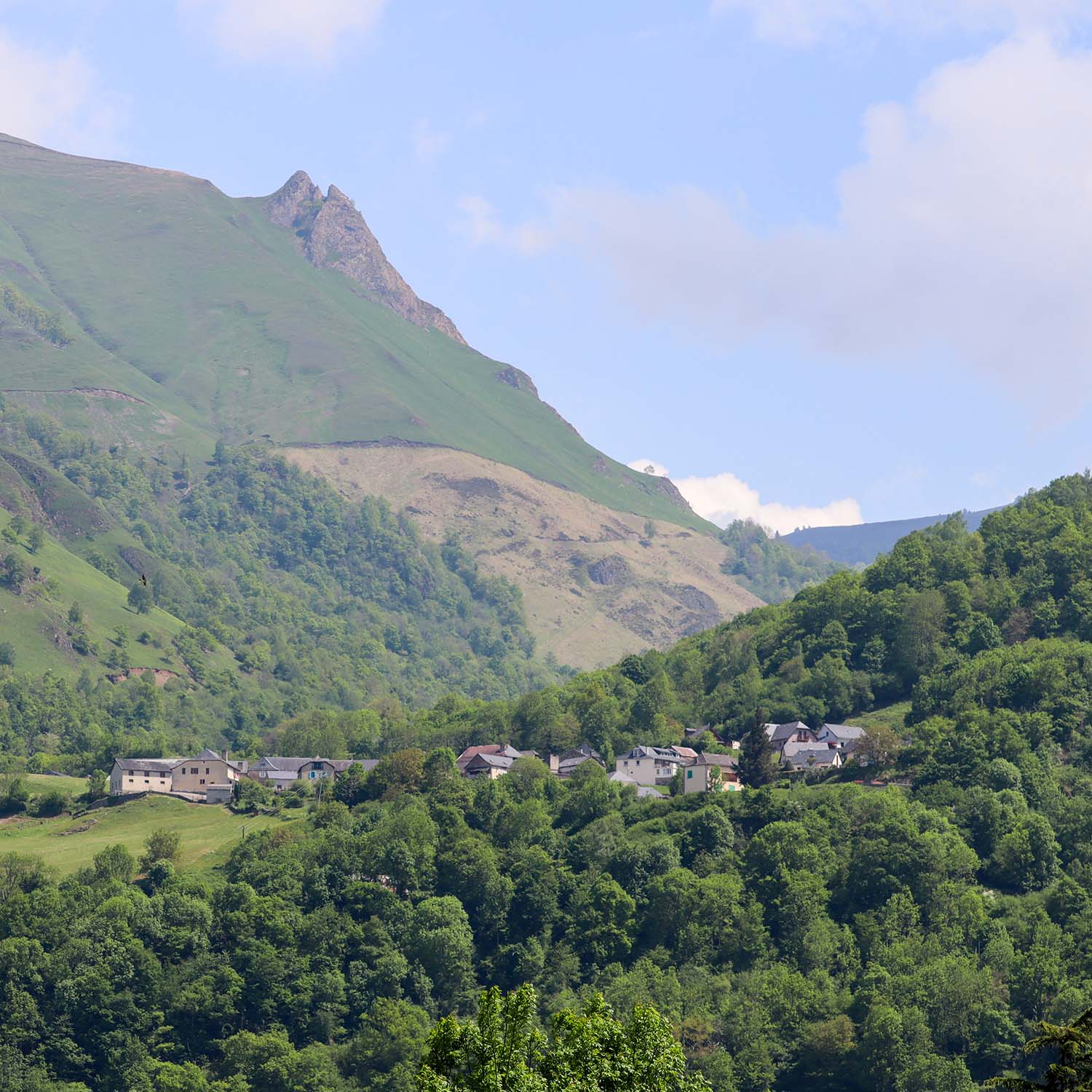
From the village centre, visitors can enjoy a variety of walks. One of the most remarkable leads to the hamlet of Bagès, whose history dates back to the 12th century.
In the 19th century, this place was the birthplace of a remarkable figure, a shepherd who became a renowned botanist, Pierrine Gaston Sacaze, proving that the mountains can also be a land of knowledge and scientific curiosity.
The Col d’Aubisque
Up in the hills, the famous Col d’Aubisque also lies within the commune’s territory, offering spectacular scenery.
Pastoralism, a tradition still alive
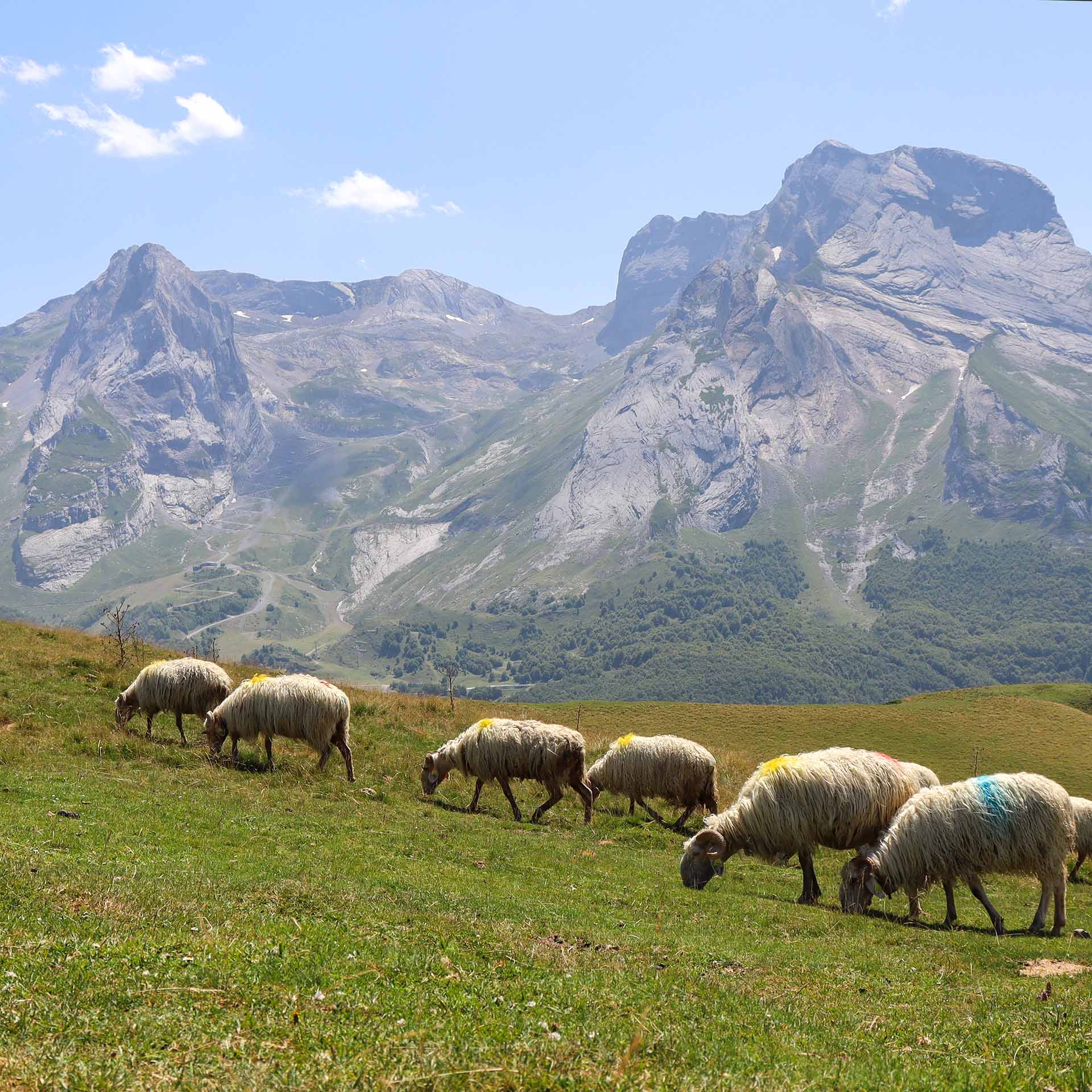
For a long time, village life was shaped by pastoralism.
Even today, during the summer, a few shepherds lead their flocks up to the heights, particularly towards the slopes of the Col d’Aubisque.
In autumn, cows and sheep make their way back down to the valley via the ‘green mountain’.
The sheep’s milk is used to make a renowned cheese, perpetuating an age-old tradition.