Buzy, in the footsteps of archaeology A village at the gateway to the valley
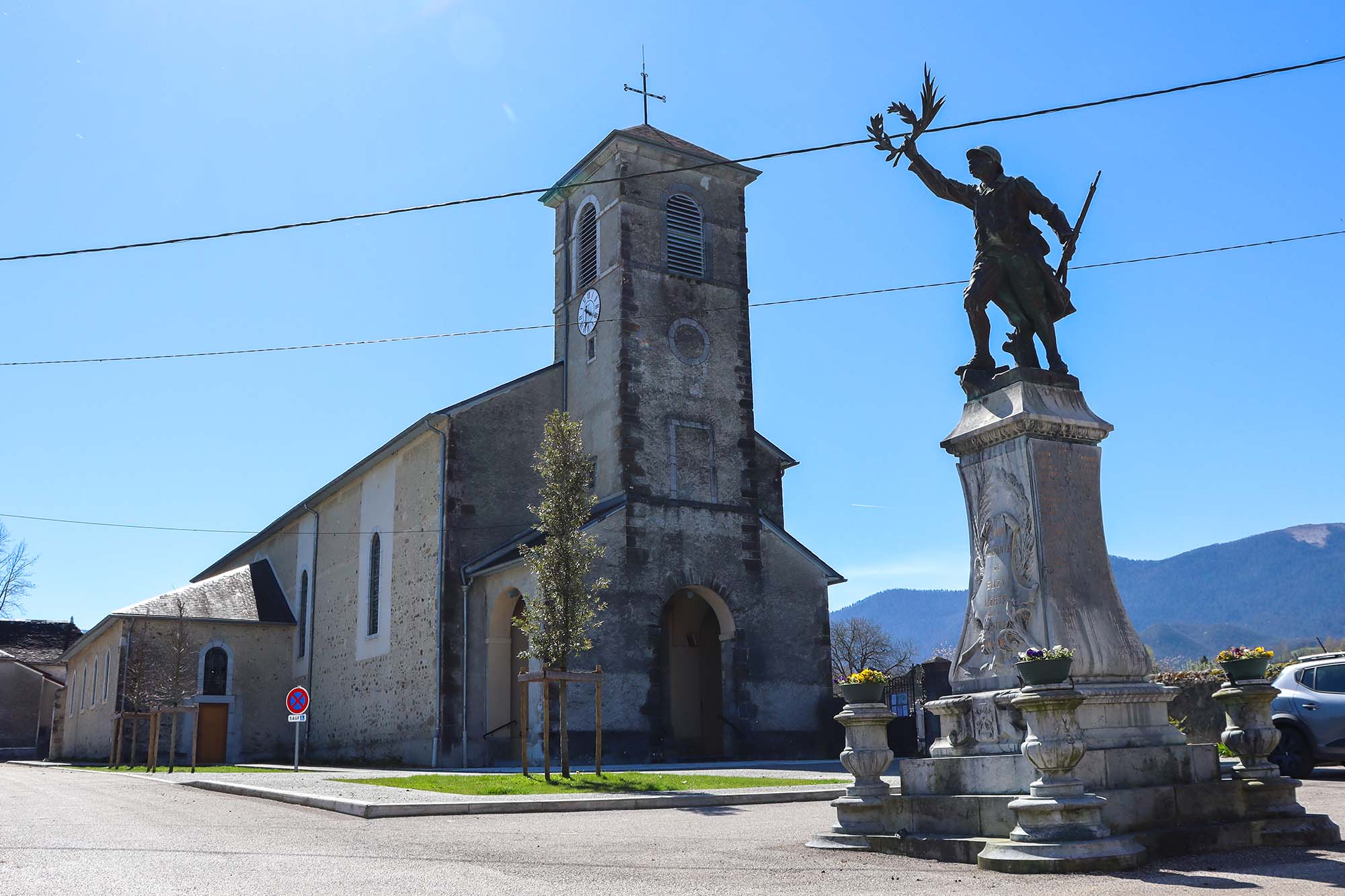
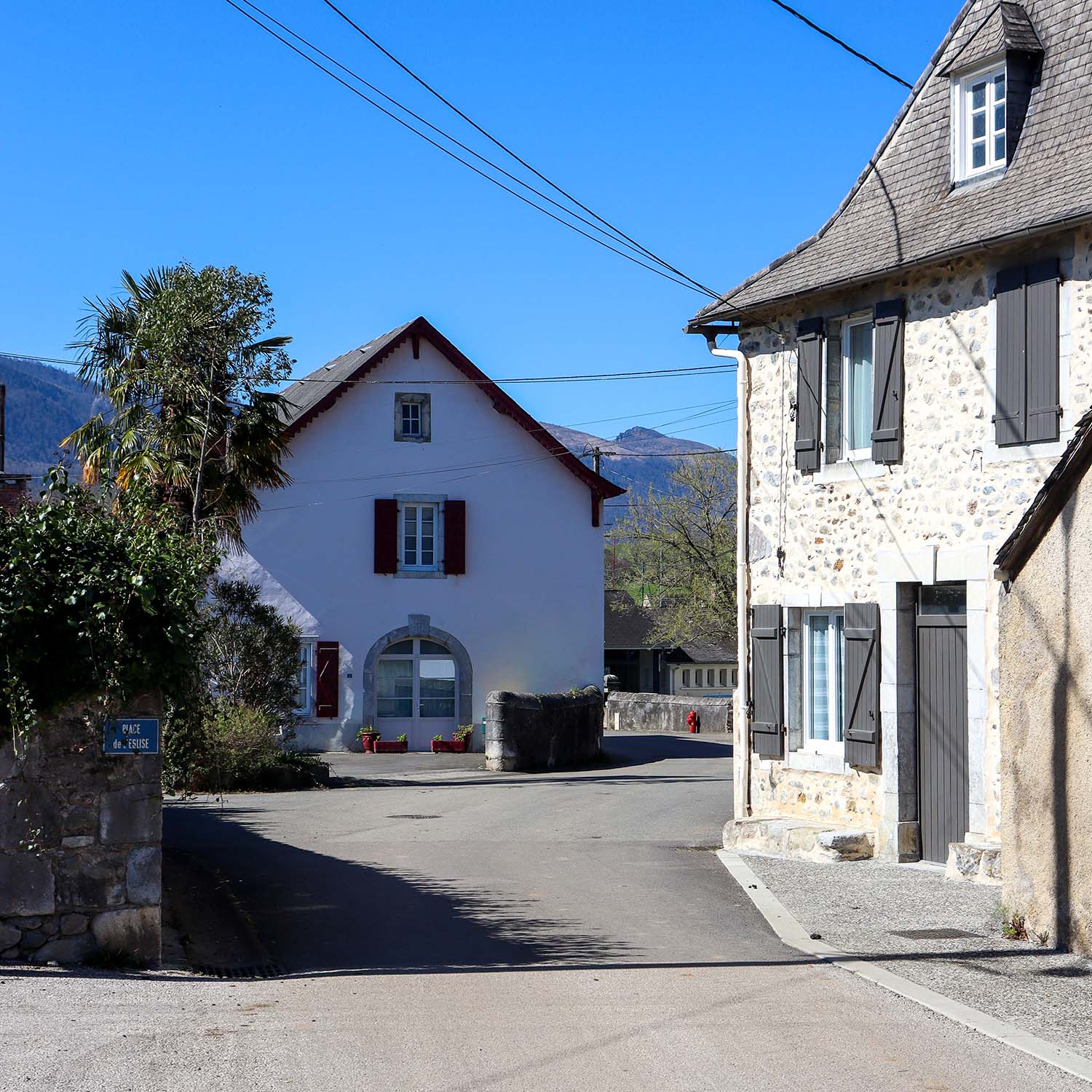
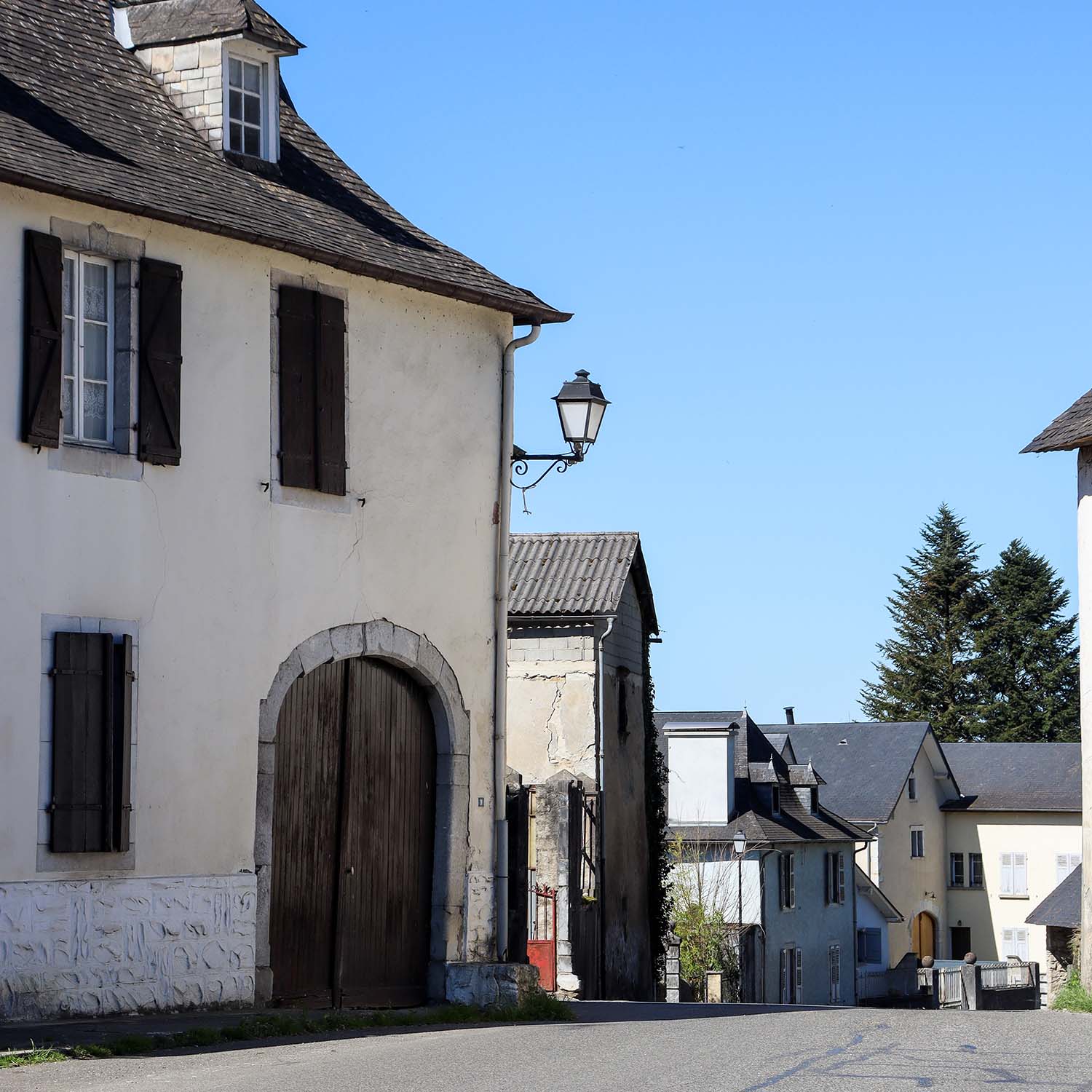
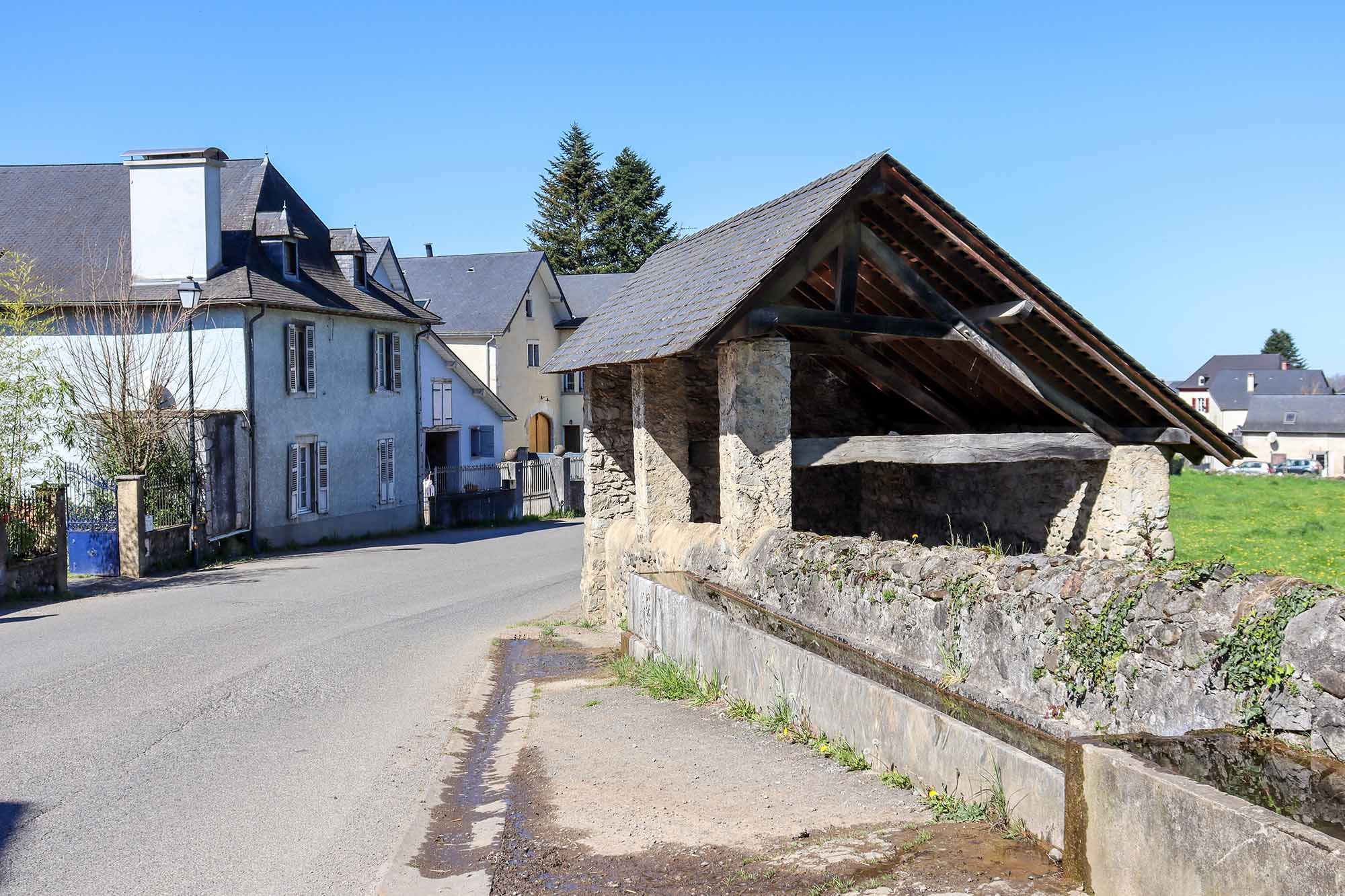
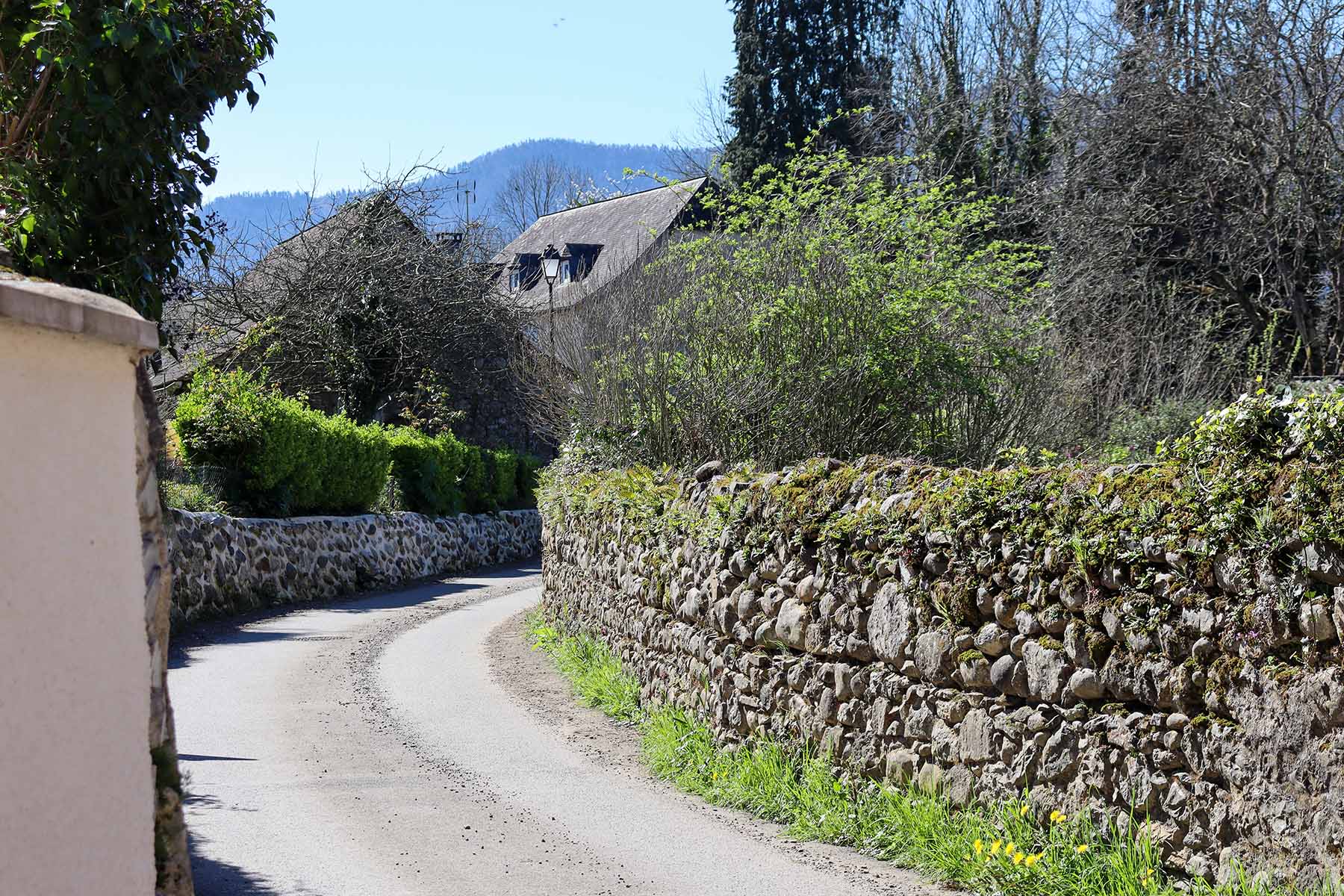
Buzy is a typical village of the valley, where stately homes and sprawling farmhouses stand side by side, bearing witness to a deeply rooted rural past.
The area also preserves valuable archaeological remains, such as the dolmen and the mysterious ‘Tuberne stone’, likely an ancient open-air pastoral sanctuary, steeped in symbolism and history.
A remarkable prehistoric heritage
The dolmen, dating from the Neolithic period, is impressive for its structure: six vertical slabs and a capstone support a large stone resembling a tortoise shell.
It is situated on the old transhumance route known as ‘la Hélère’, which once led herds towards the moors of Pont-Long.
Nearby stood another slab, now preserved at the Arudy Museum, whose enigmatic inscriptions resemble those of a star chart.
A special location
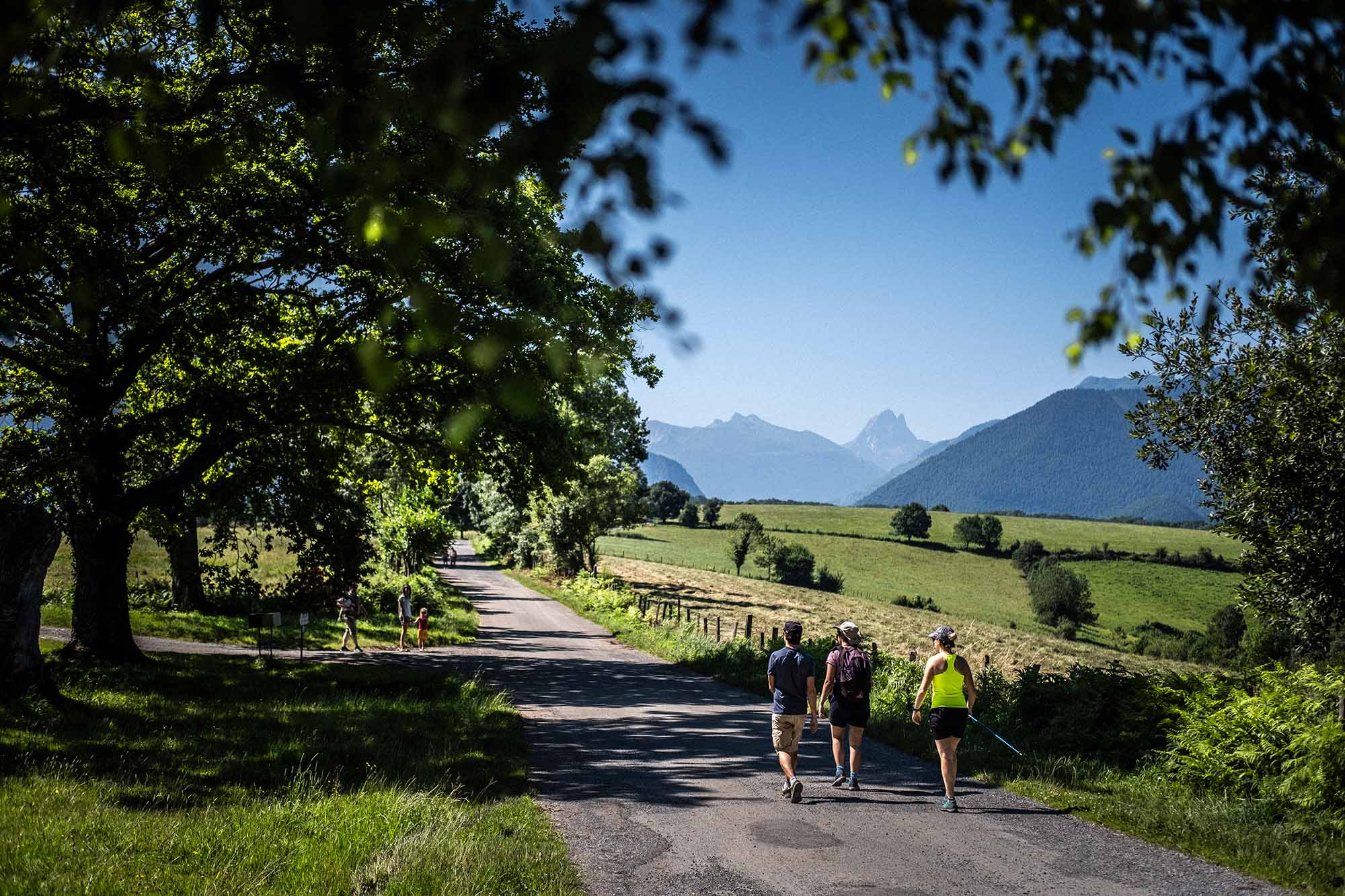
Situated at the gateway to the Ossau Valley, Buzy lies in a low-mountain area in the Pyrenean foothills.
The village is overlooked by a first line of ridges, above which rises the Pic des Escurets, reaching a height of 1,440 metres.
Ancient medieval origins
The history of Buzy stretches far back in time.
The first known inhabitant was Ramon Arnaut de Busi who, in 1096, attended the consecration of Saint-Pé Church alongside Guillaume Arnaut de Castet and Bernat d’Escot, at the invitation of Odo, abbot of Saint-Pé and bishop of Oloron.
The evolution of the name over the centuries
Over the centuries, the village’s name appears in various forms in historical documents:
- Busia in 1170
- Busi in the 12th century
- Buzi en bag in 1343
- Busii in 1429
Before finally taking the form of Buzy during the Reform of Béarn in 1608.
Buzy, a name with origins linked to water
The very name Buzy derives from the Celtic root ‘beuzy’, meaning ‘wet’. This etymology evokes the natural conditions that gave rise to the village, built at a time when water was still seeping through the great moraine left behind by the Ossau glacier.The revival of the 19th century
It was not until the 19th century that Buzy experienced a real boom, spurred on by the opening in 1883 of the railway line linking Buzy to Laruns.
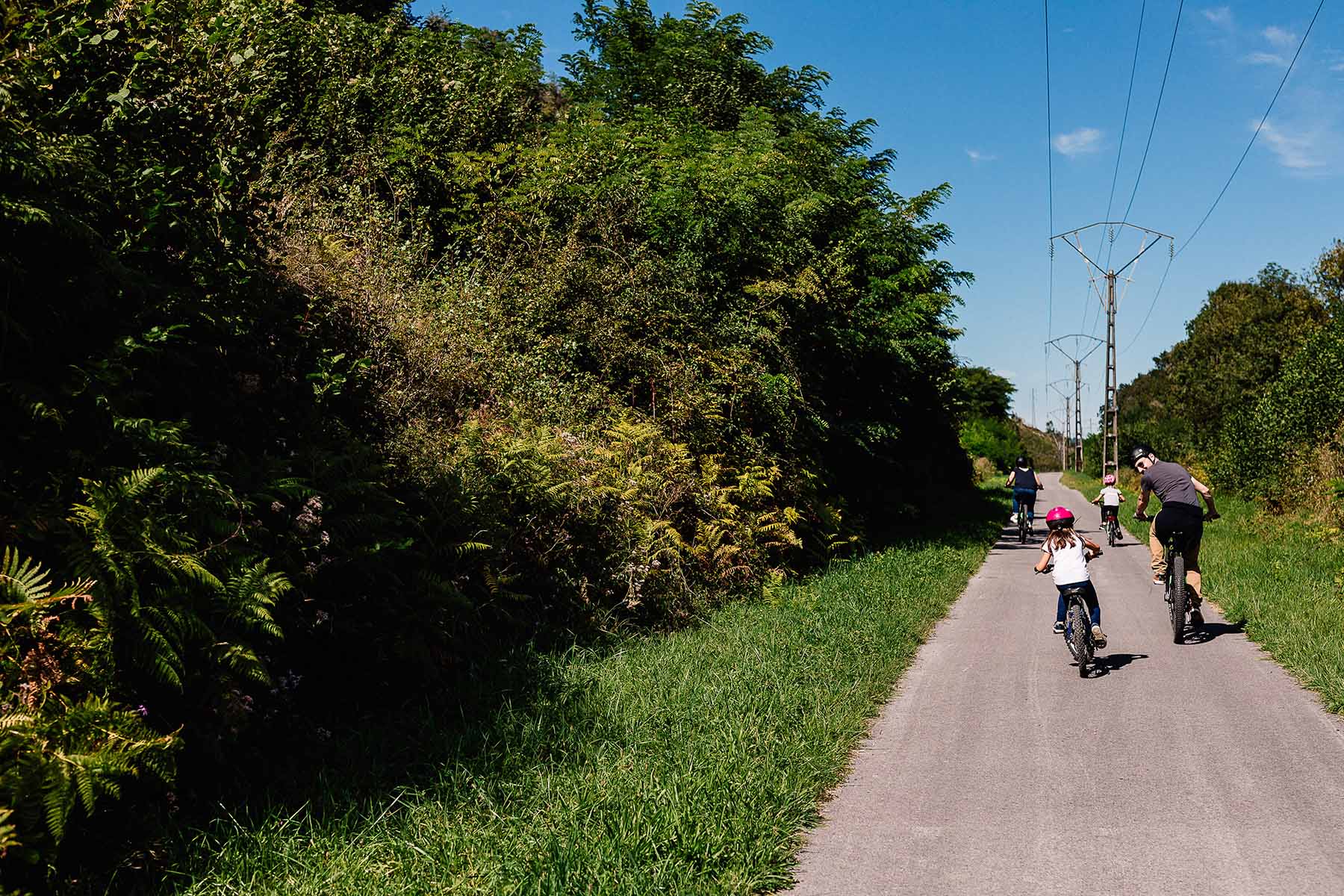
Today, it is possible to travel from Buzy to Laruns via the Camin d'Aussau.