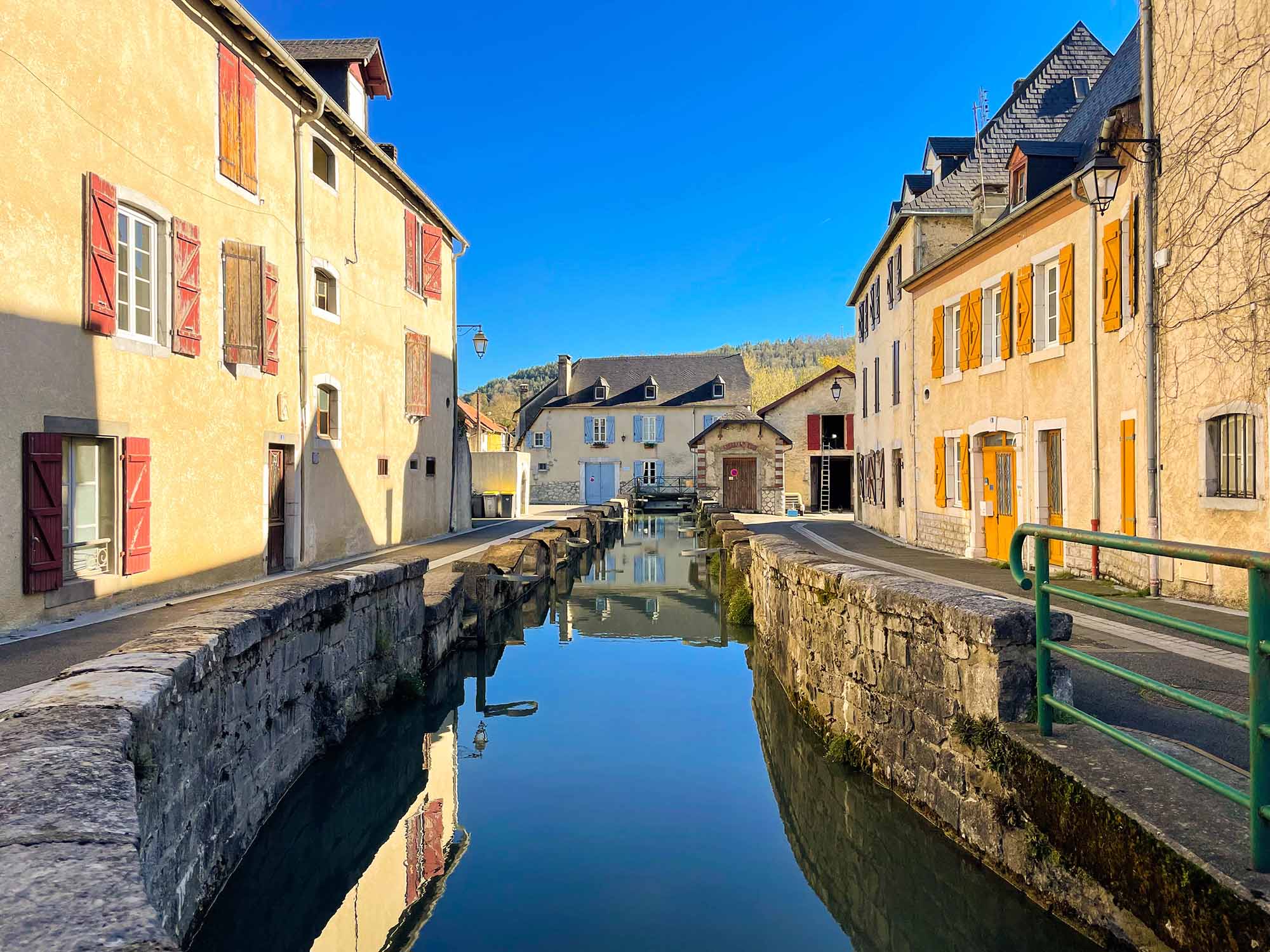
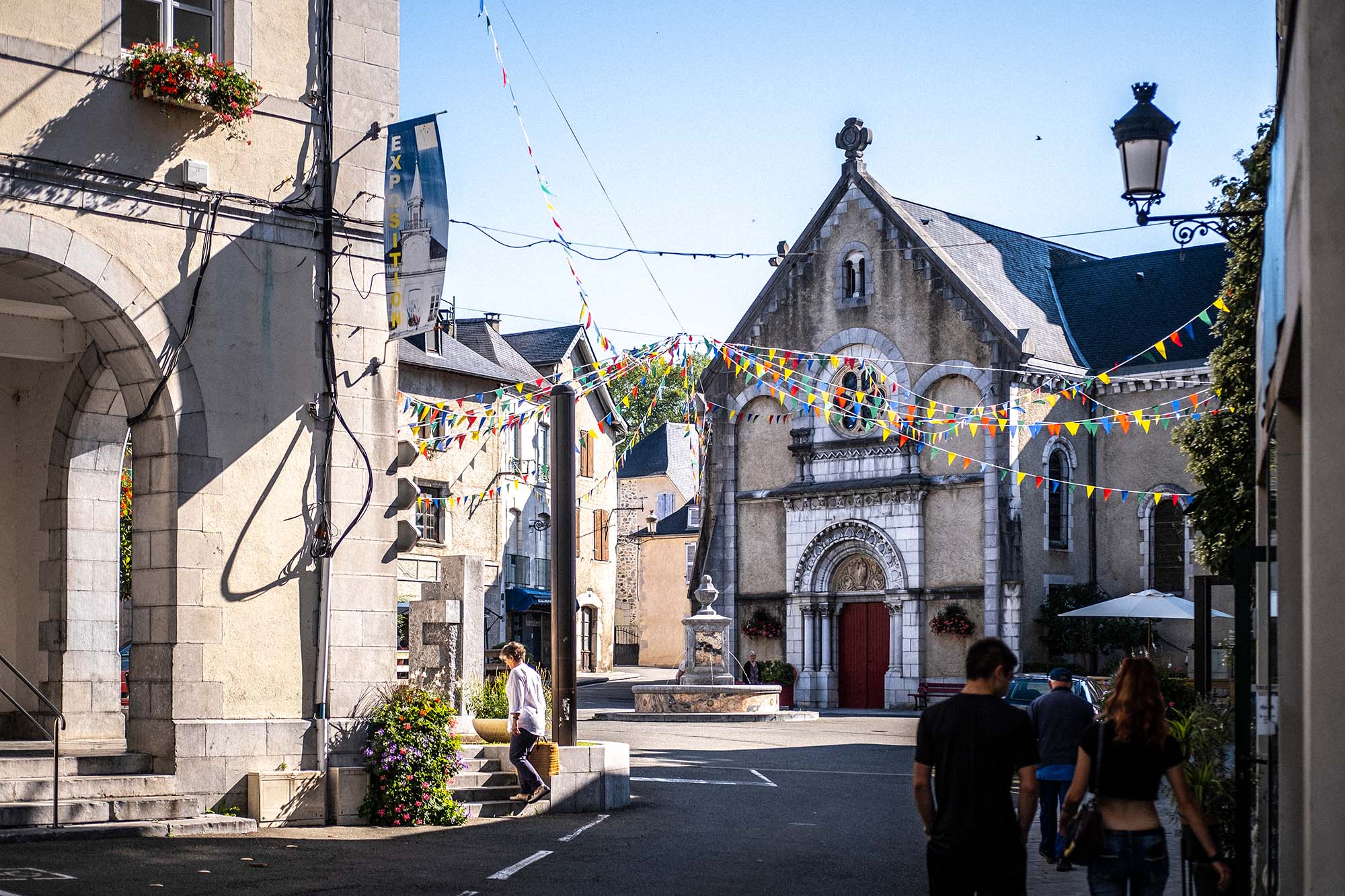
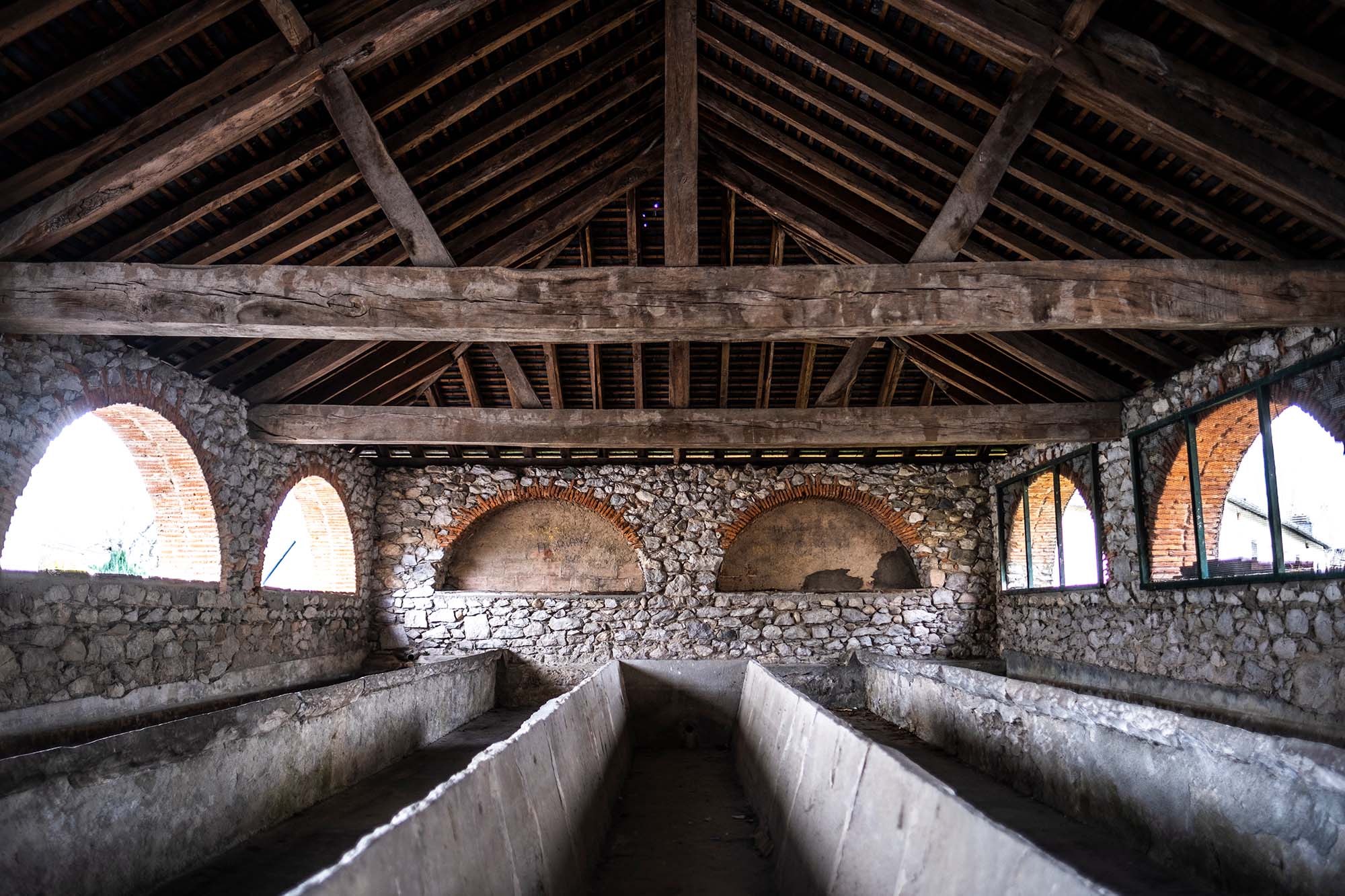
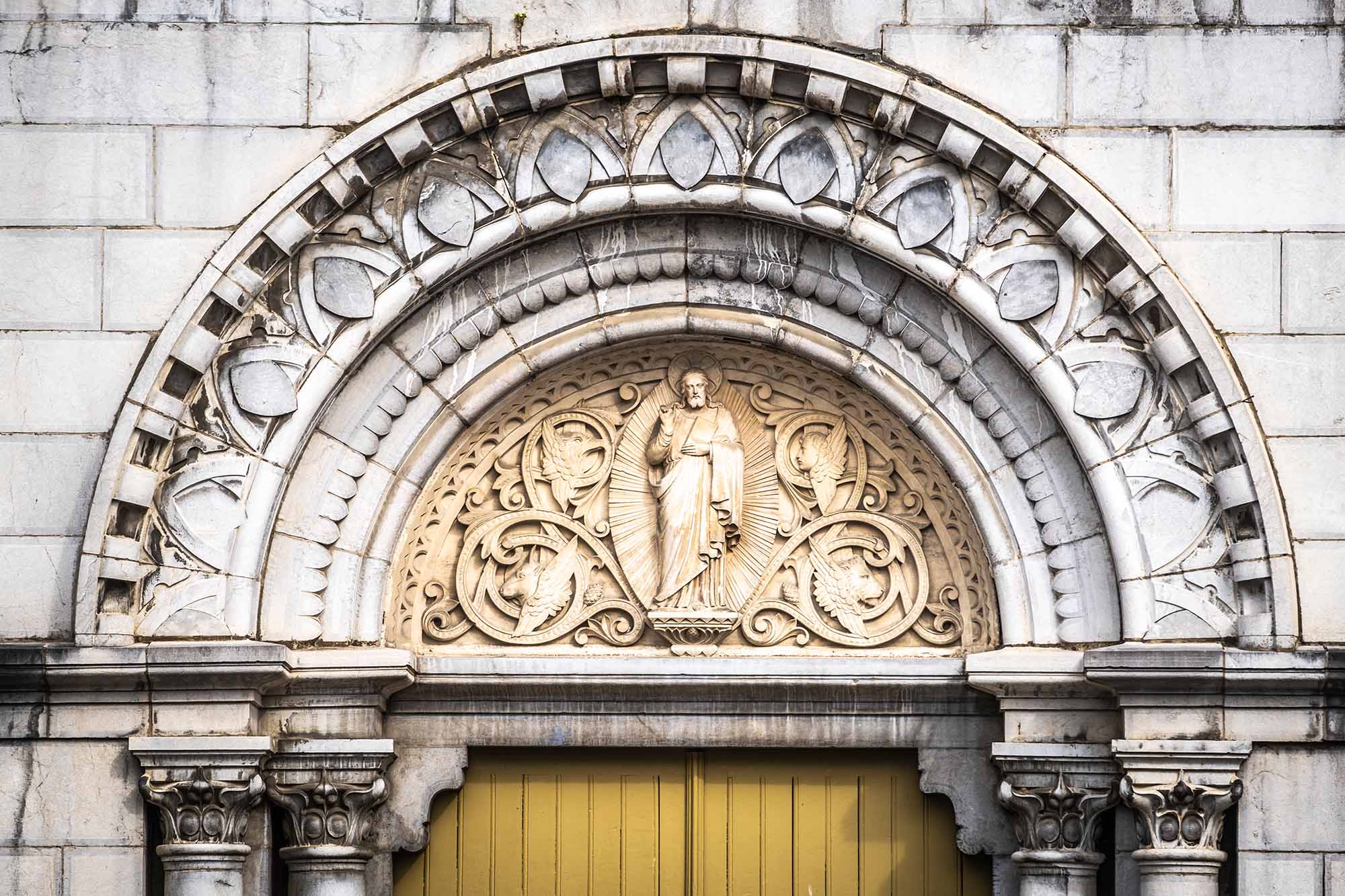
Arudy, the cradle of prehistory Nestled in the heart of the Ossau Valley, Arudy charms visitors with its authentic charm and rich heritage.
A former centre of craftsmanship renowned for its marble work, the village retains beautiful traces of its history through its traditional houses and workshops.
Combining local culture with unspoilt nature, Arudy offers a stopover full of character.
A region with prehistoric origins
The Arudy area has been inhabited for around 20,000 years, as evidenced by the numerous caves once home to nomadic hunter-gatherers.
The village first appears in historical records from the 13th century onwards under various forms of its name, eventually becoming ‘Arudy’ in the 17th century.
The village of Arudy
In 1385, a census ordered by Gaston Fébus recorded 85 houses and 382 inhabitants.
The Arudy Tourist Office offers a leaflet listing these houses.
The village at that time consisted of widely spaced houses, with plots of land (‘casals’) allowing for further construction.
By the 17th century, as these spaces had been filled, the village centre took on its current form.
A testament to local history
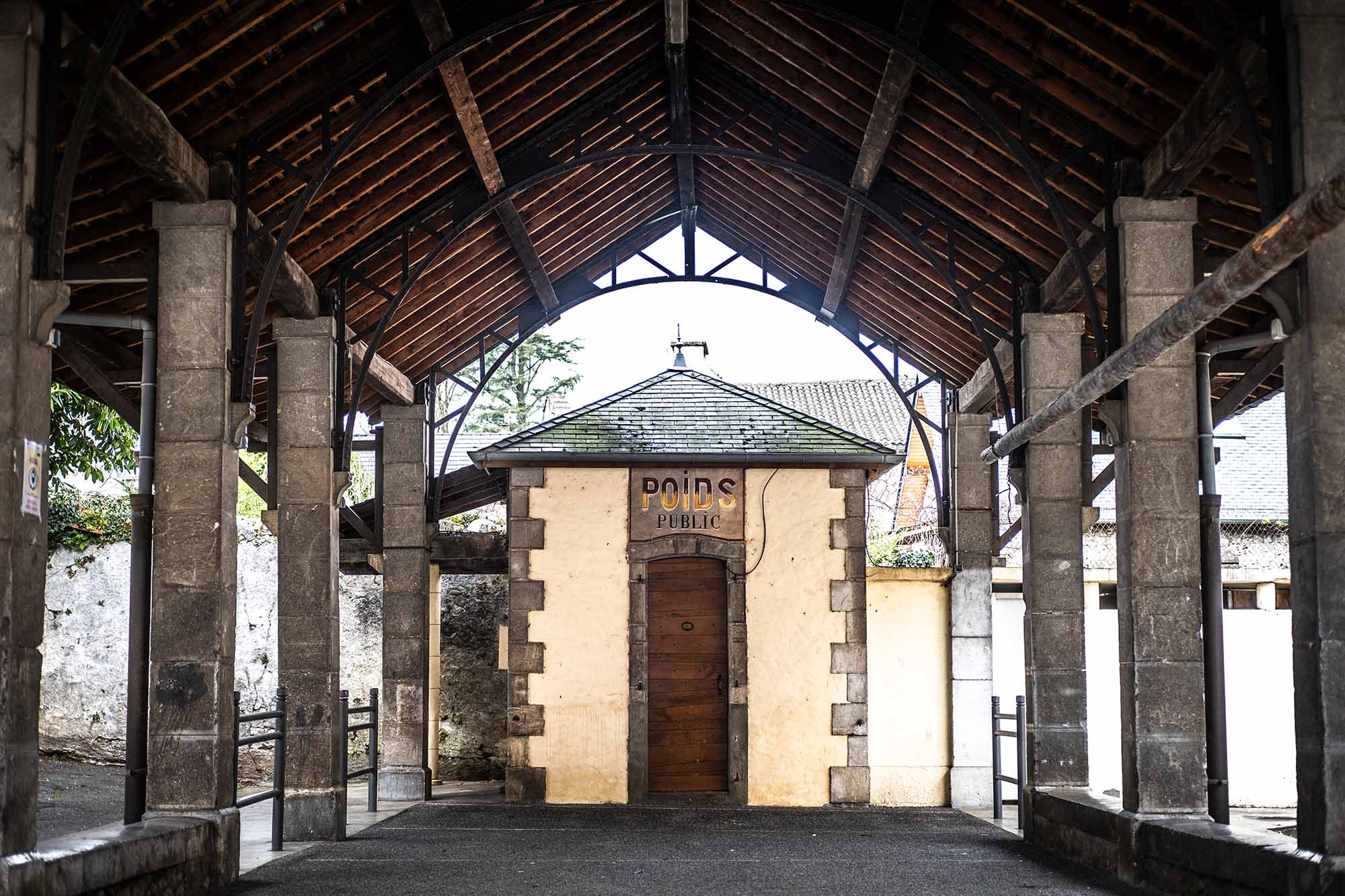
Arudy was also an important commercial centre, with a bustling weekly market and a renowned annual fair, particularly for the livestock trade, attracting traders from across the region and from Aragon.
The village has long been a major centre for marble quarrying, an activity that continues to this day with several quarries still in operation within the municipality.
The Ossau Museum showcases this heritage through collections devoted to archaeology, prehistory, ethnography and geology.
It also hosts exhibitions dedicated to the Pyrenees National Park and Ossau marble, which bear witness to the local identity.
Not to be missed: The pretty old houses featuring inscriptions and architectural decorations can be explored via the “Les pierres” heritage trail, available from the Arudy Tourist Office.