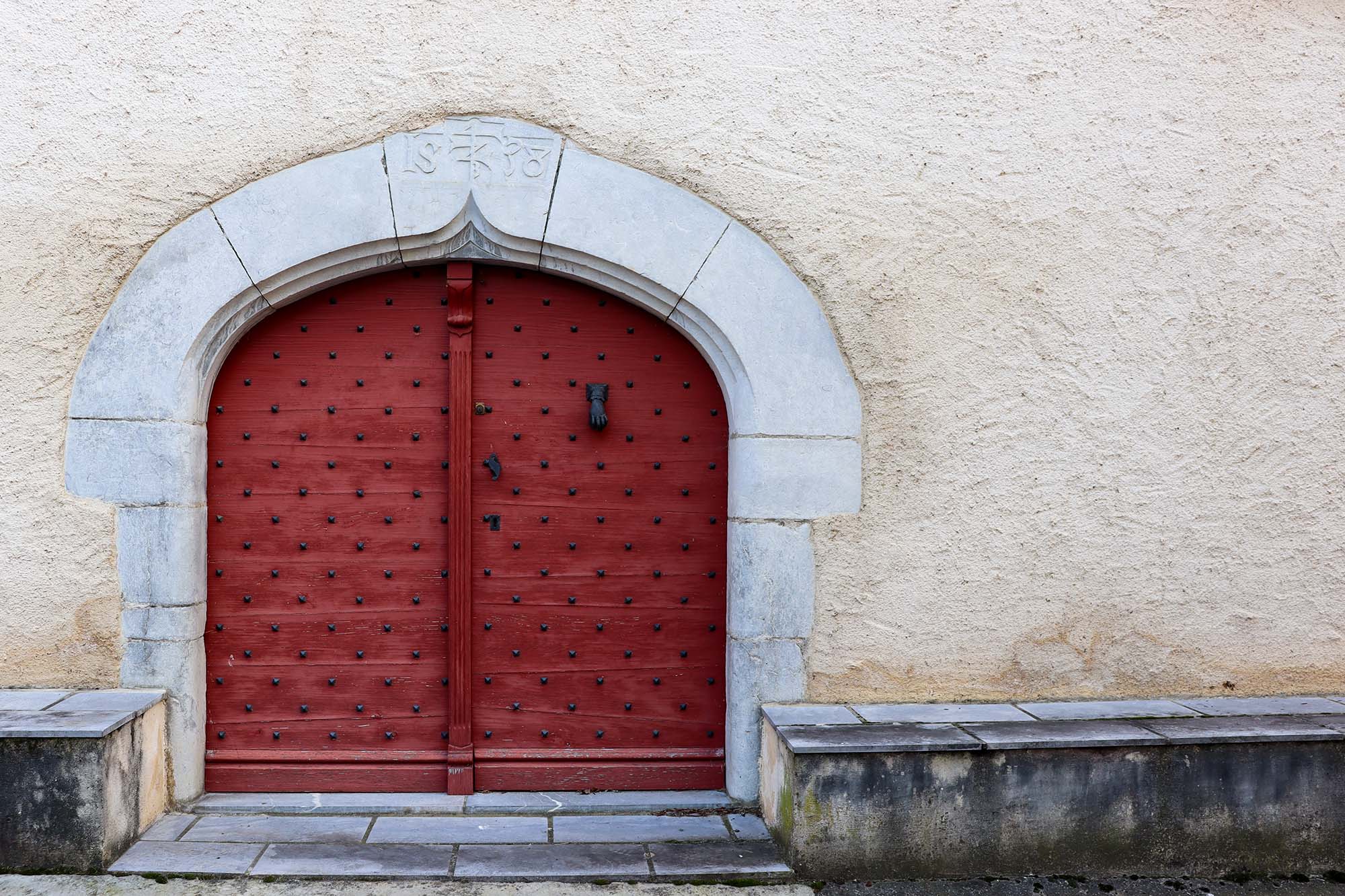
What are the characteristics of the Ossaloise house? Local materials and traditional construction
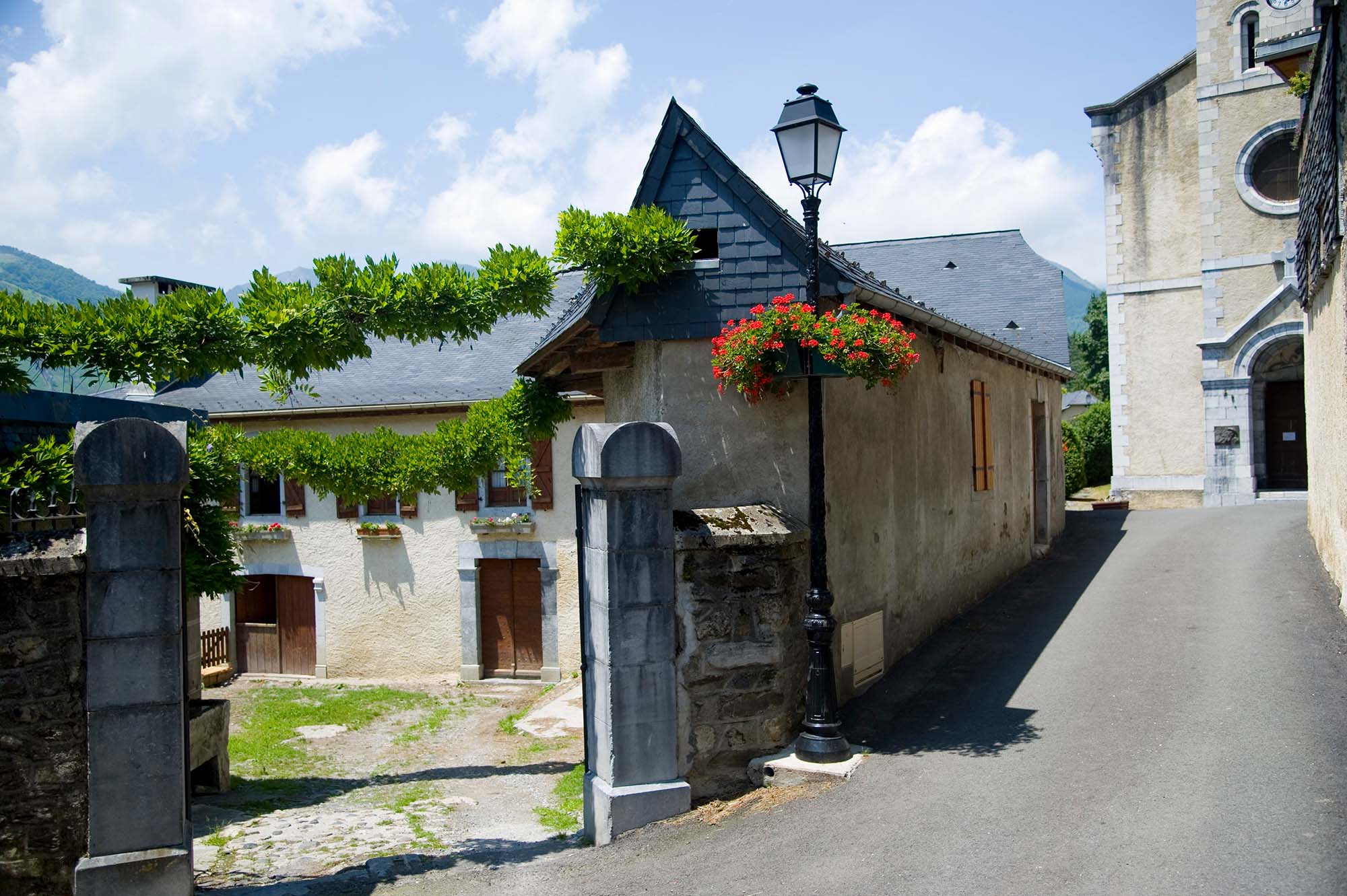
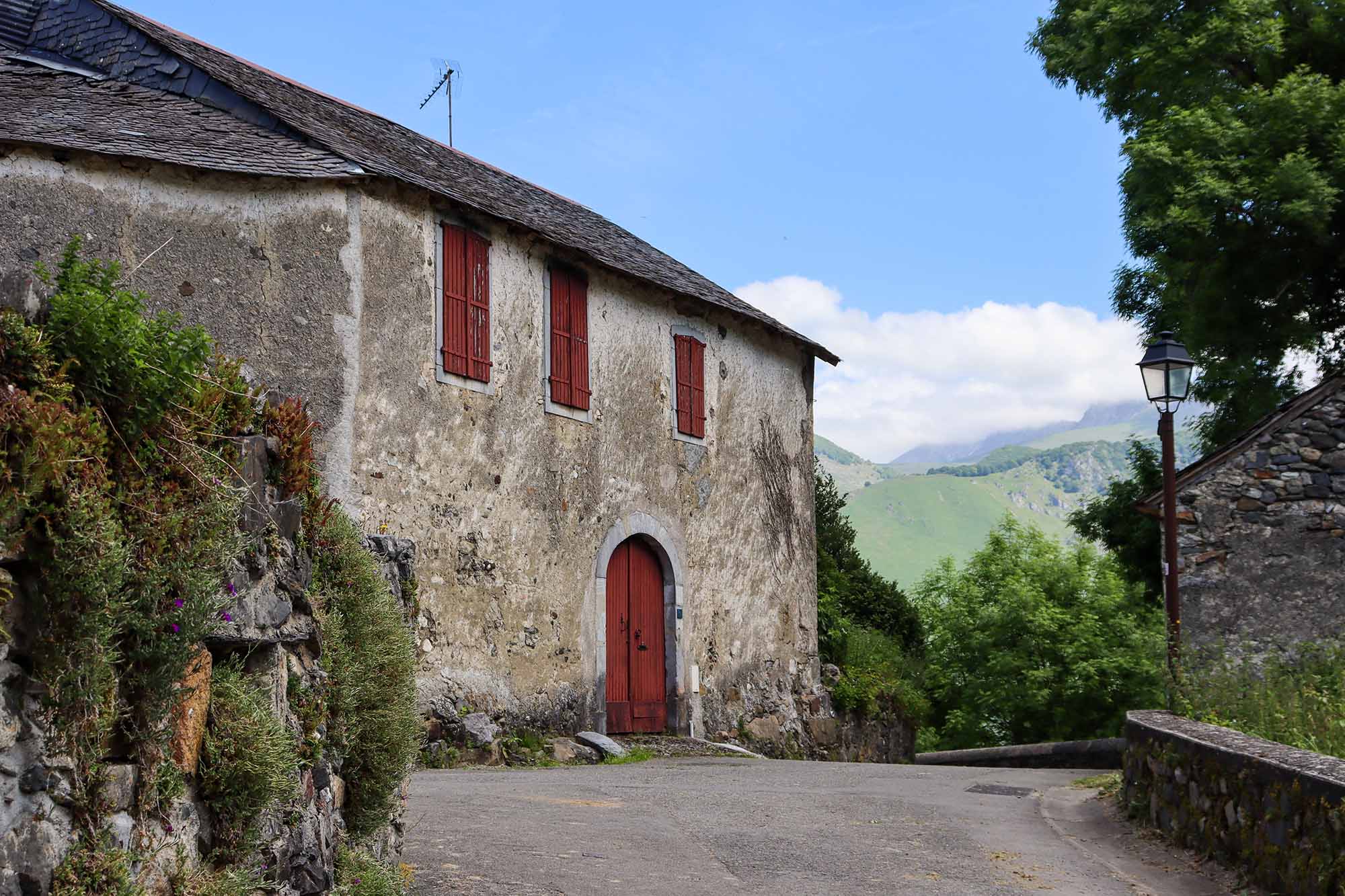
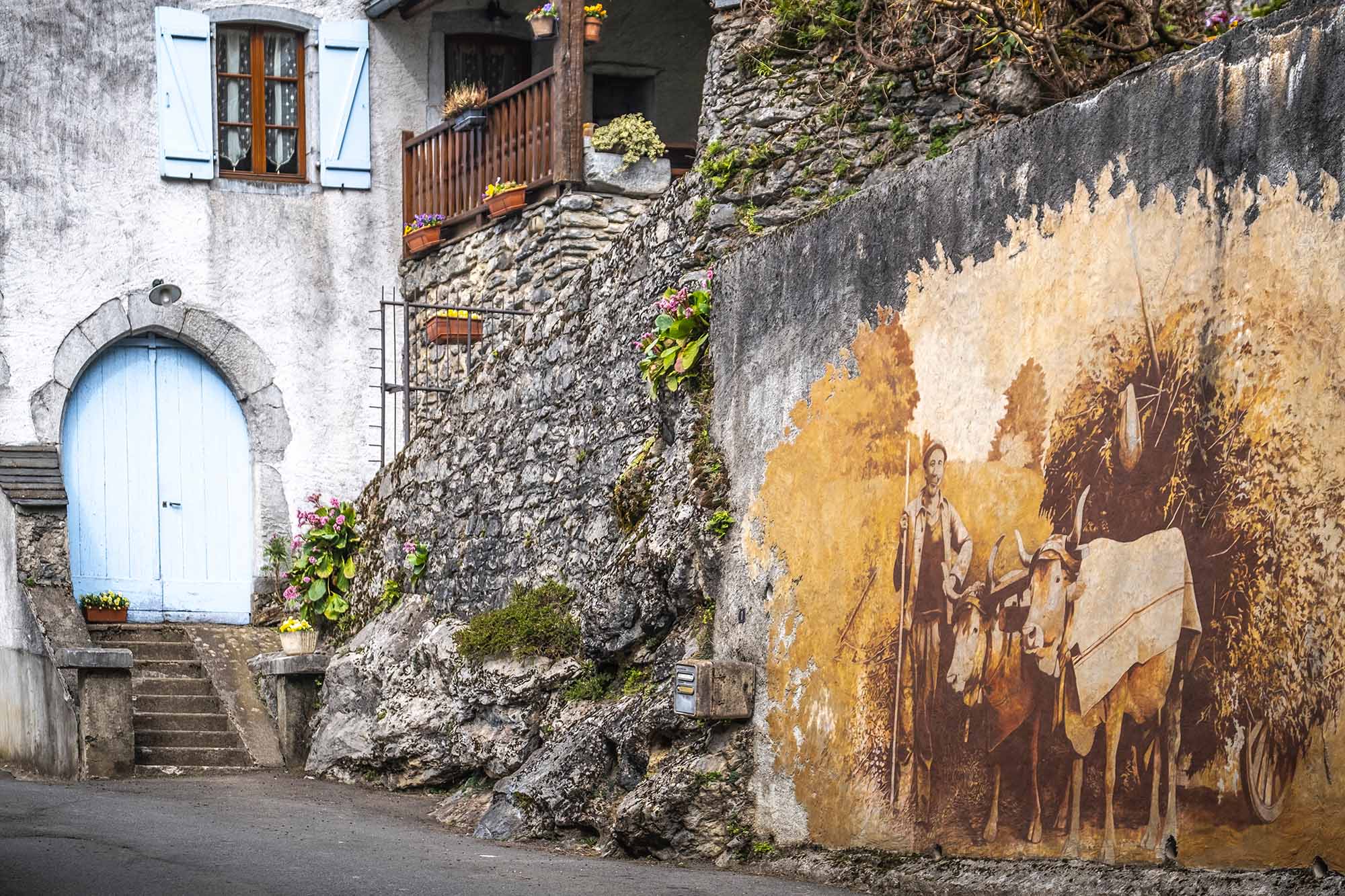
The Ossaloise house is traditionally built using local materials sourced from ‘whatever is available’, that is to say, materials found on site.
The walls are constructed using pebbles collected from the river or the surrounding fields.
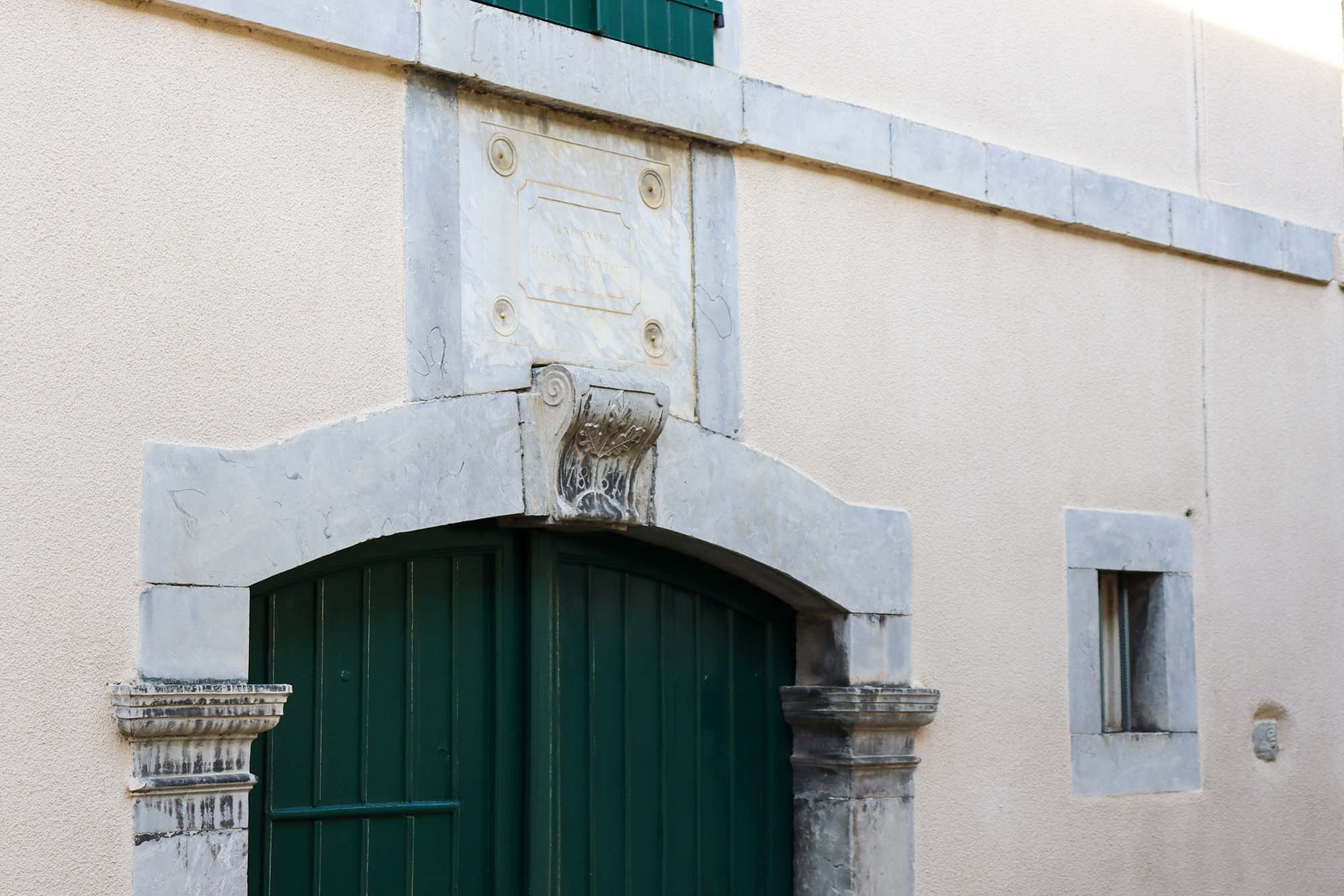
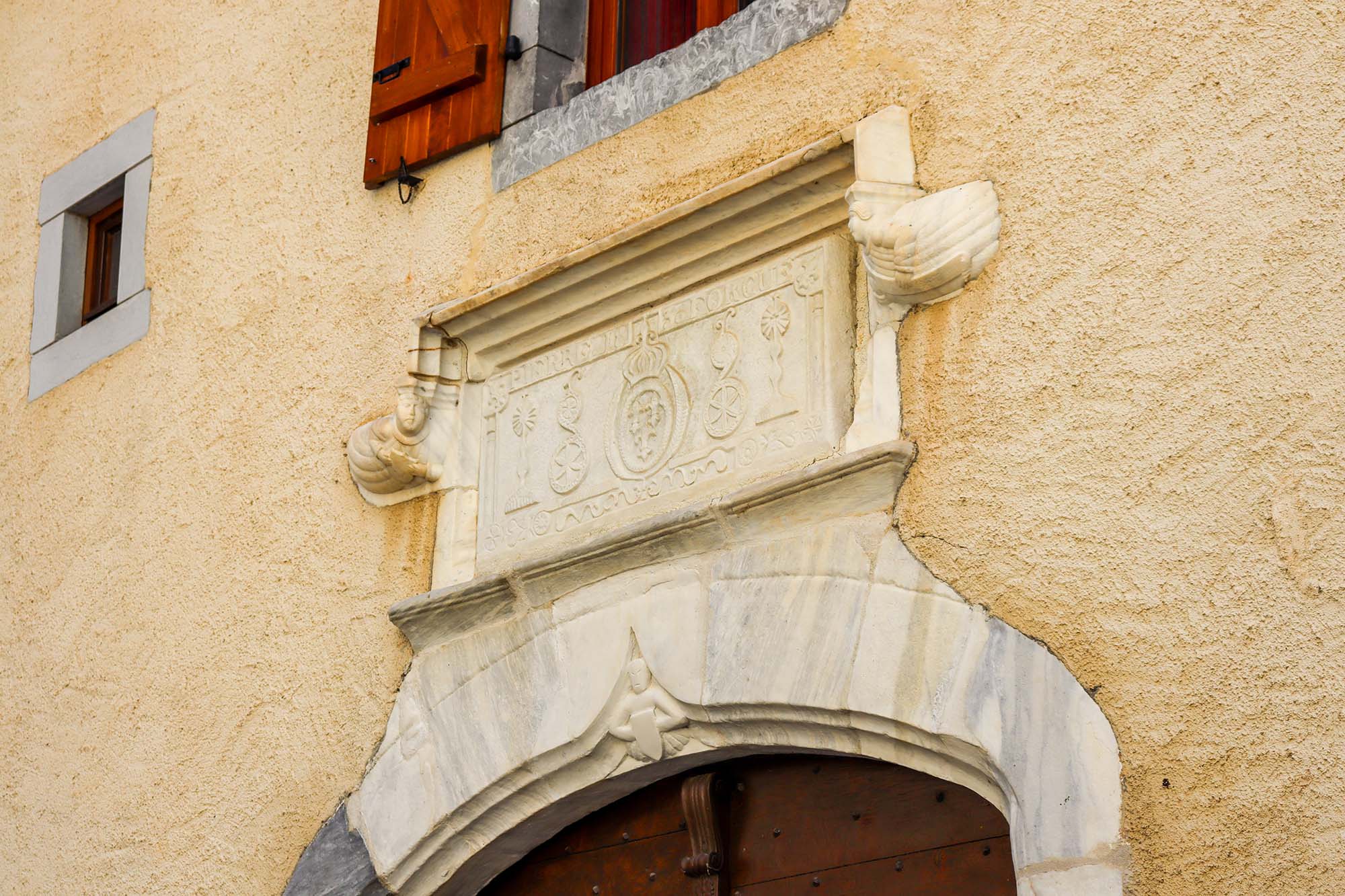
The roofs are covered with slate from local quarries, whilst local marble is used for the door and window frames.
Finally, the roof structures are made from timber sourced from nearby forests, particularly fir and beech.
A home shared by people and animals
This dwelling is unique in that it houses both people and livestock.
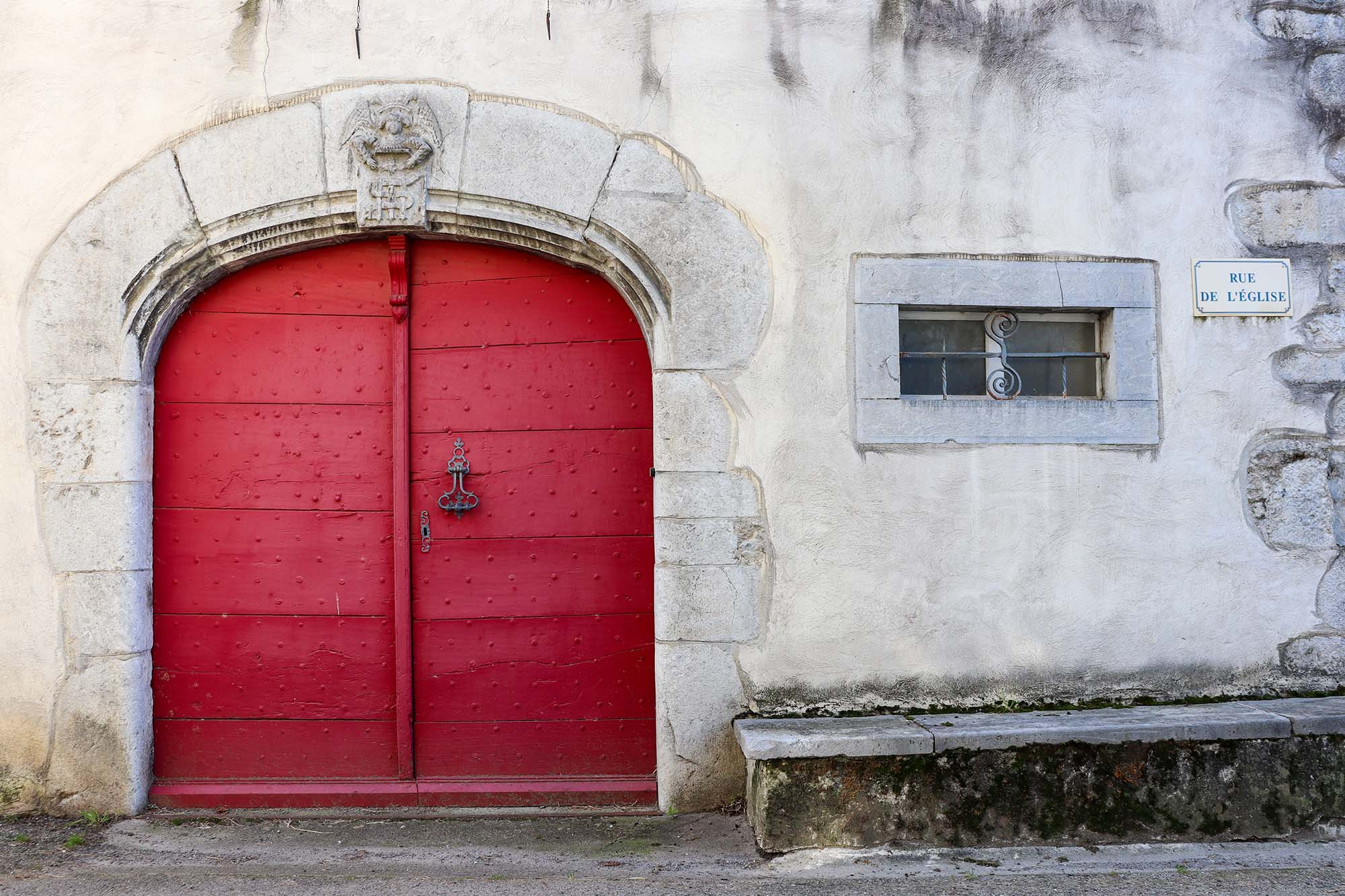
It opens directly onto the street via a large carriage entrance, which leads to the ground floor reserved for the animals. This area is generally dark, windowless and has a clay floor. It sometimes provides access to a small plot of land at the rear of the house.
A wooden staircase leads to the first floor where the family lives.
Here is the kitchen, dimly lit by one or two windows. The sink may be situated in a small separate area known as the ‘souillarde’.
Nearby, there are one or two bedrooms, simply separated by partitions.
Above is the hayloft, used for storing crops, grain and fodder.
Some houses also have a gallery, a covered wooden balcony, often facing south, which is used for drying laundry and grain.
Changes in the 19th century
In the 19th century, significant changes began to take place. People started to separate living spaces for humans from those for animals, thereby improving hygiene and comfort.
However, due to the close proximity of dwellings and the narrowness of the streets, the expansion of houses remained limited. Where possible, this expansion took place towards the rear or upwards.
The creation of a courtyard sometimes allowed for the entry of animals and equipment, whilst a narrower entrance was reserved for the inhabitants.
Current developments and surviving features
Today, rural houses have often been altered, particularly through the conversion of the ground floor with the addition of windows.
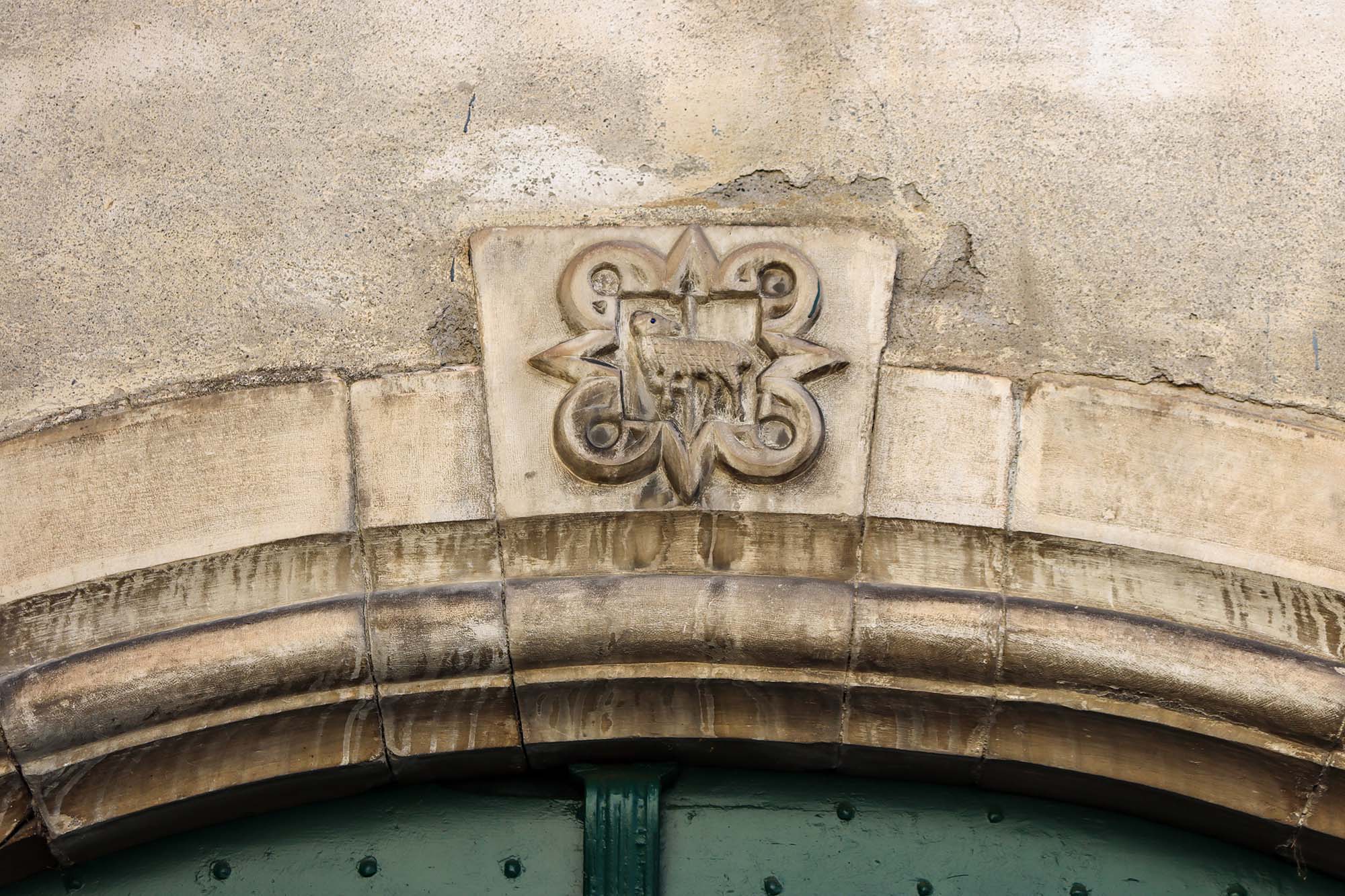
Despite these changes, many original features remain, particularly the carved lintels.
A door steeped in symbolism
The door holds significant symbolic importance in the Ossau Valley; it is regarded as a meaningful passageway, marking the entrance of people and animals into the house.
This is why stonemasons carved sculptures into the marble, depicting religious symbols (crosses, initials such as IHS or AM) or motifs associated with fertility and prosperity (plant motifs, hearts). Family names, initials or dates were also inscribed to affirm the identity and ownership of the property.
Our valley forms part of the ‘Pays d’art et d’histoire’ region of the Béarn Pyrenees.
Thanks to the designation awarded in 2013, cultural life here flourishes all year round through a wide variety of events: walks and guided tours, workshops, exhibitions, historical festivals, singing, dancing…
A colourful array of activities where you’re sure to find something to satisfy your curiosity and get a feel for what makes us who we are!
For more information on the built heritage of the Valley and the Béarn, visit the
Pyrénées Béarnaises website