A historic bastide at the gateway to the Ossau Valley
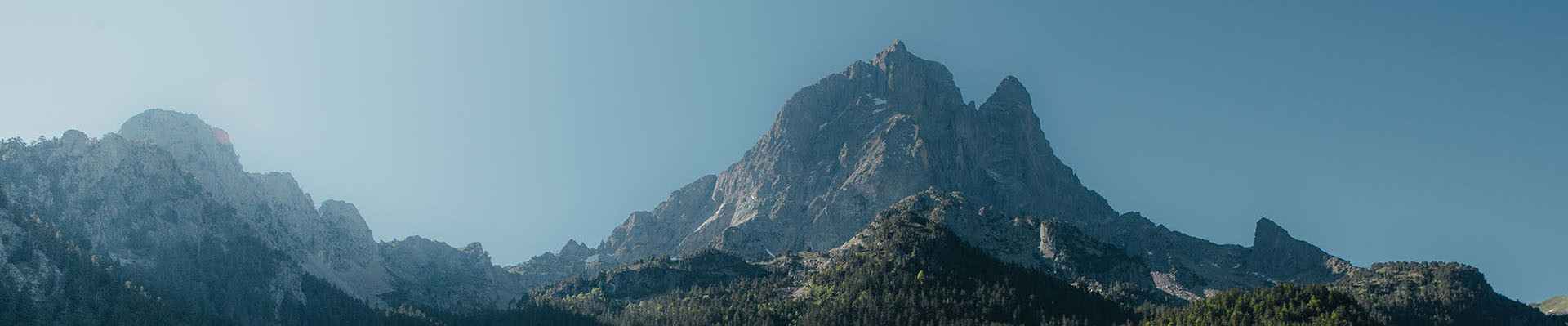
At the gateway to the Ossau Valley, nestled on the foothills of the Pyrenees, Rébénacq is an ancient bastide founded in 1347 by a lieutenant of Gaston Fébus.
Like all bastides, it was originally a new town laid out according to a characteristic plan, with a large central square surrounded by covered walkways featuring arcades. Even today, the Place de la Bielle retains its original dimensions and bears witness to this remarkable architectural heritage.
The village is also part of the ‘Bastides 64’ association, which brings together the fifteen bastides of the Pyrénées-Atlantiques.
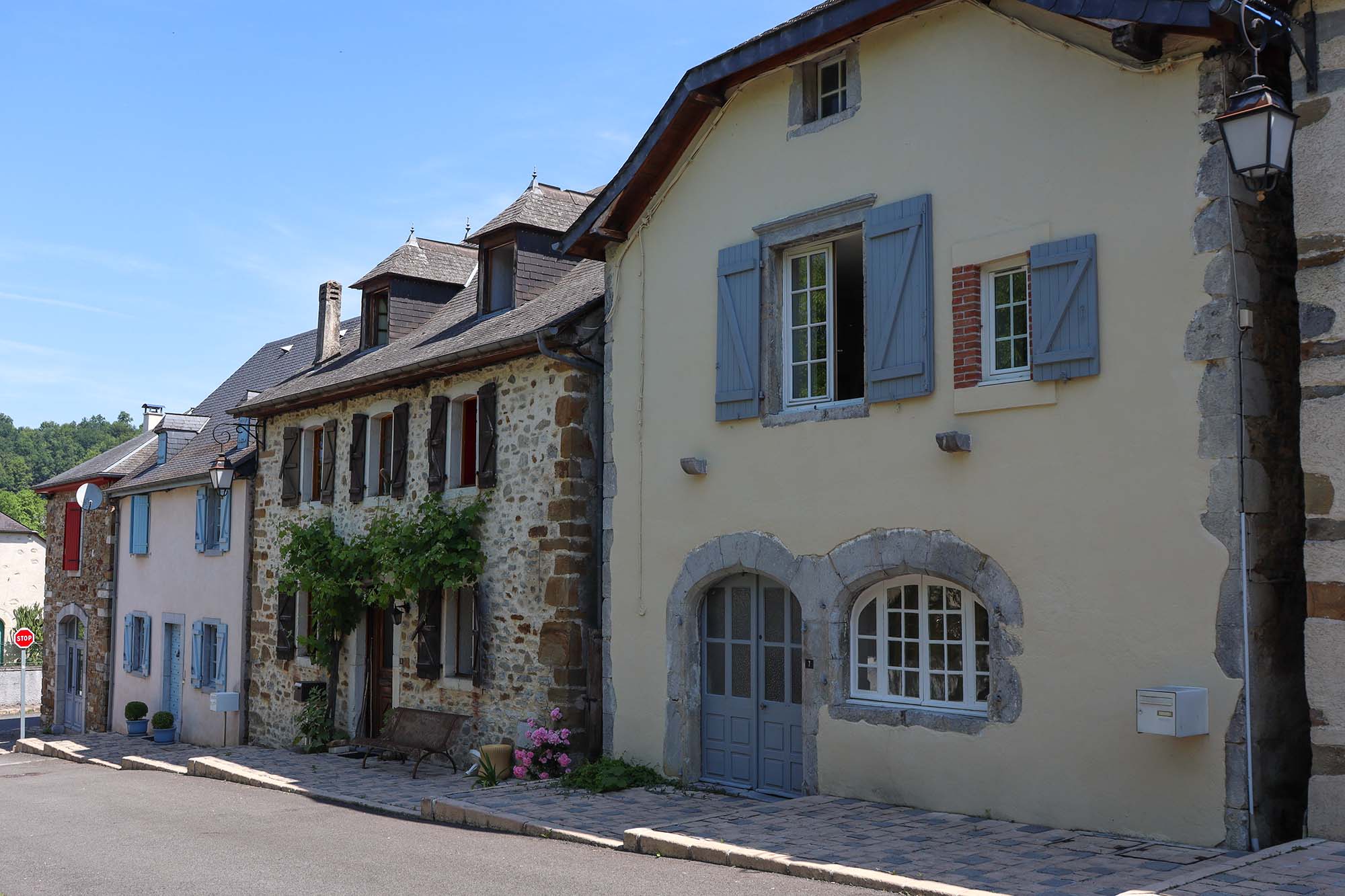
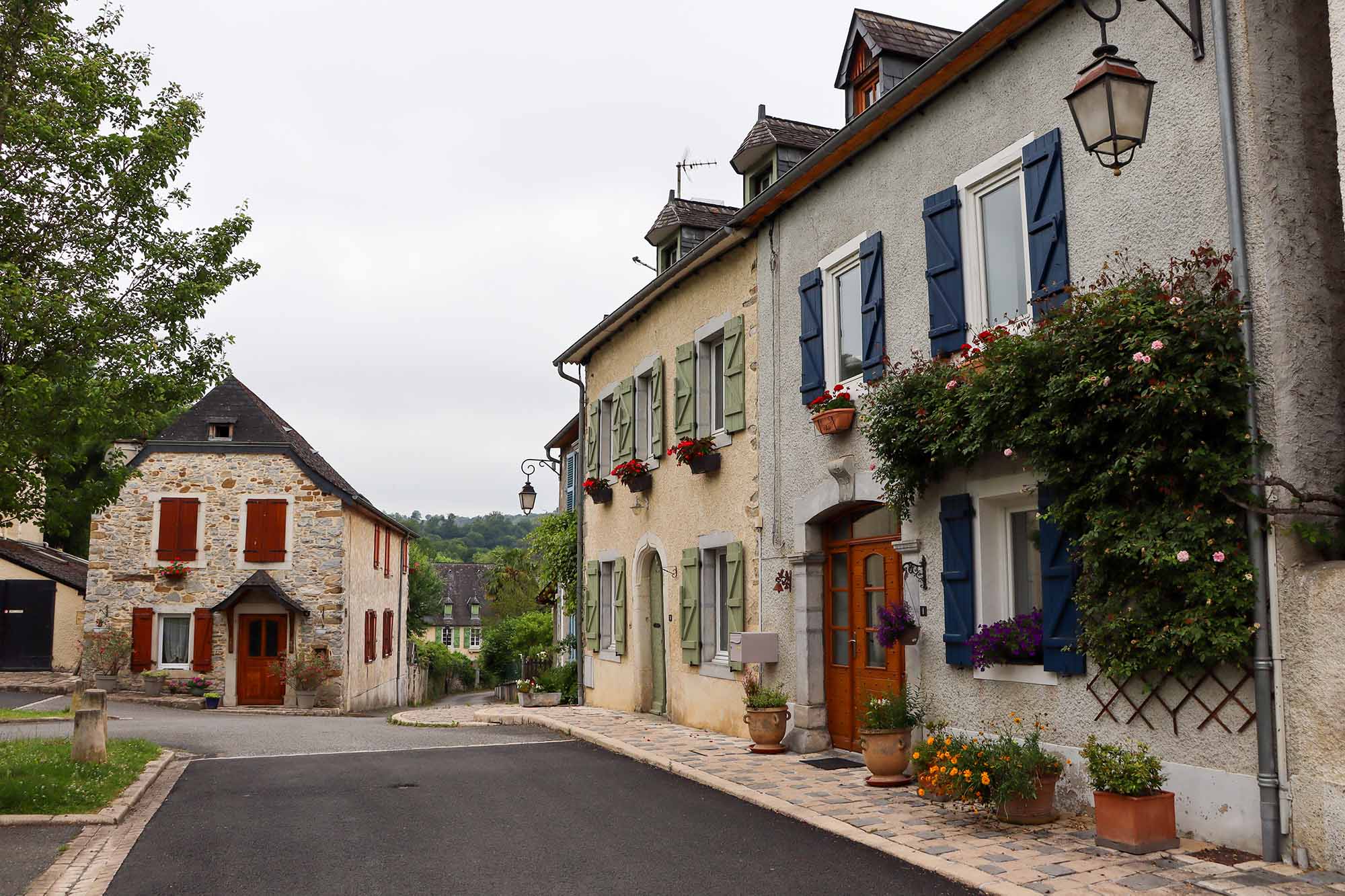
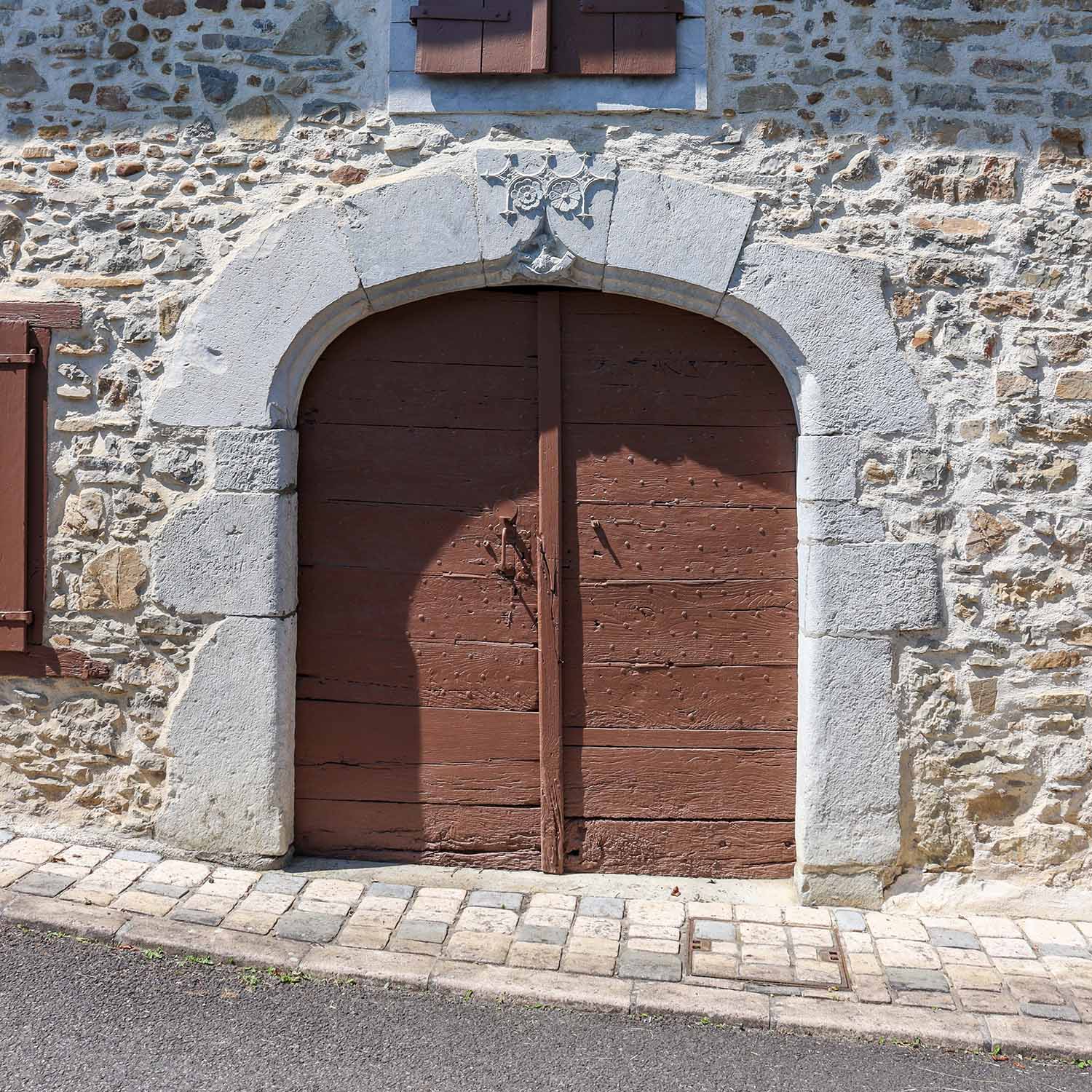
Around the central square, the houses, spaced at regular intervals, form a harmonious ensemble where one can observe the evolution of architectural styles, particularly in the door frames, door leaves and ironwork.
The mills, which were in operation from the 16th to the 20th century, serve as a reminder of the importance of water-based economic activity. The streams criss-crossing the village are dotted with wash houses, some covered, others more modest, consisting of simple flat stones known as ‘labasses’.
A vibrant village
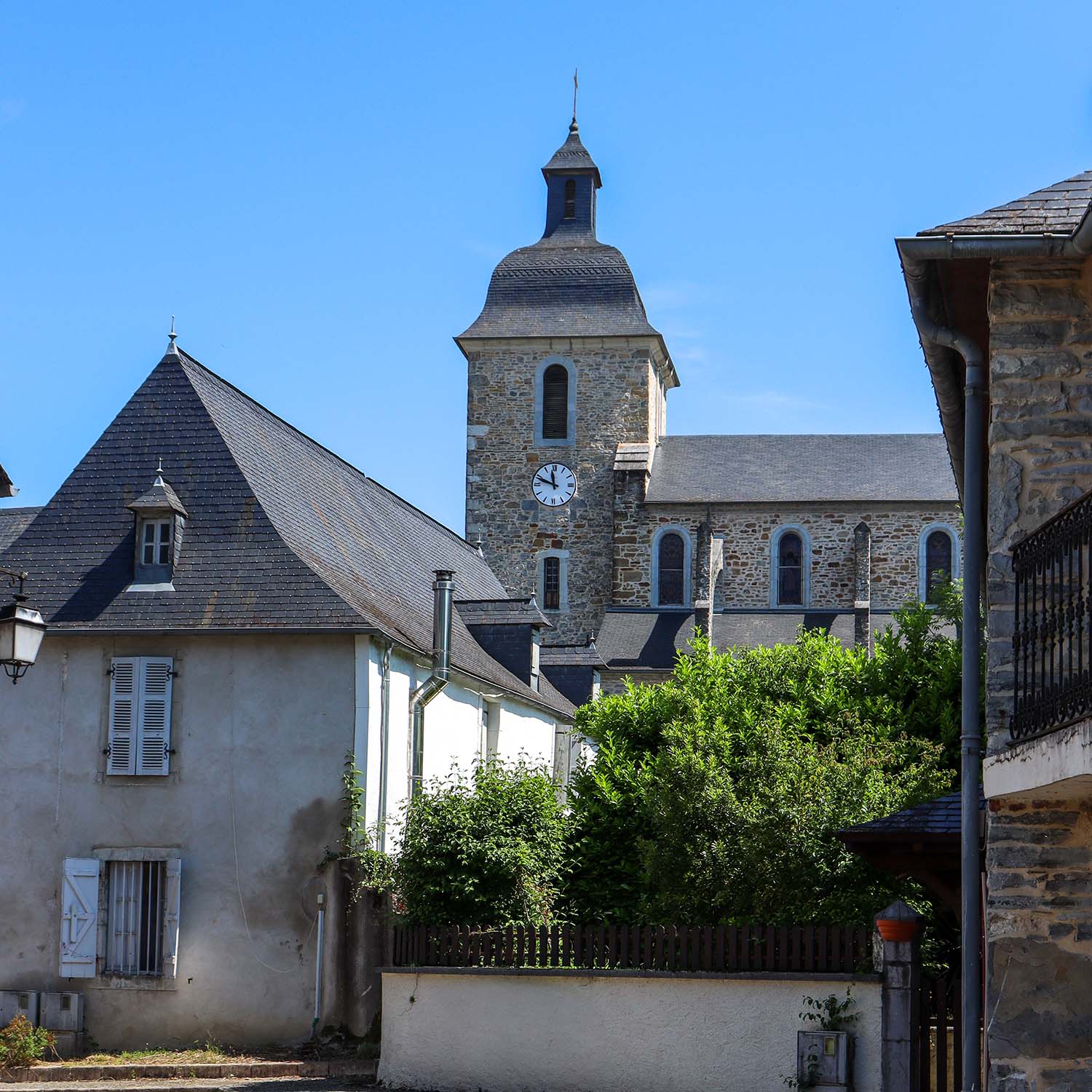
Nestled in a small valley through which the Néez torrent flows, Rébénacq has gradually developed along this watercourse. The town hall and church squares form the vibrant heart of the village, brought to life by its local shops.
They also offer a fine view of the 18th- and 19th-century façades, characteristic of the local architecture.
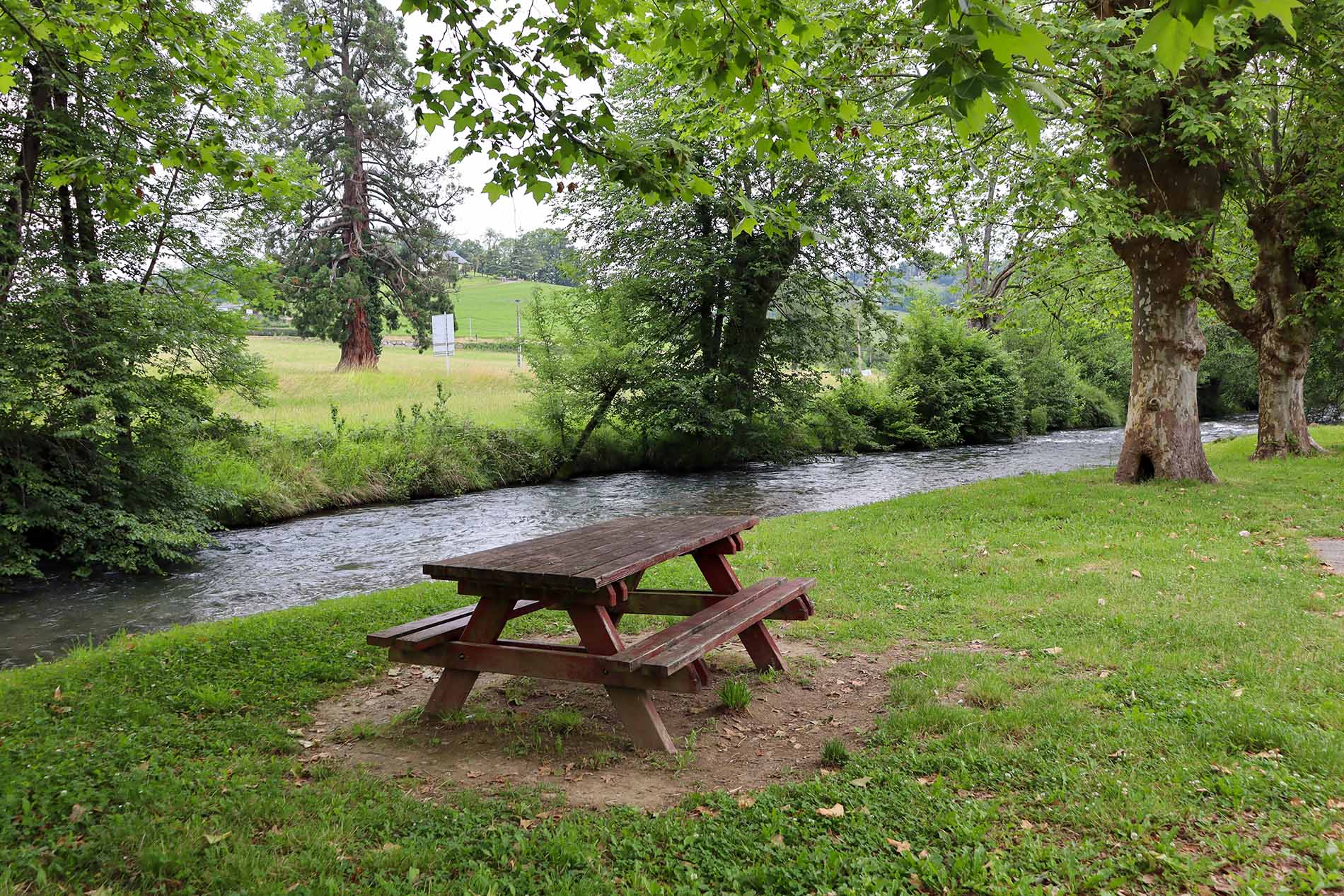
The Néez plays a central role in village life. Fed by the ‘Eye of Néez’, a captured spring that supplies water to the city of Pau, this torrent with its pure waters is ideal for fish farming upstream. Its landscaped banks are perfect for a stroll and relaxation, with picnic areas and stretches of water popular with anglers, particularly for brown trout.