Louvie-Juzon, the crossroads of the valley Origin of the name and legends
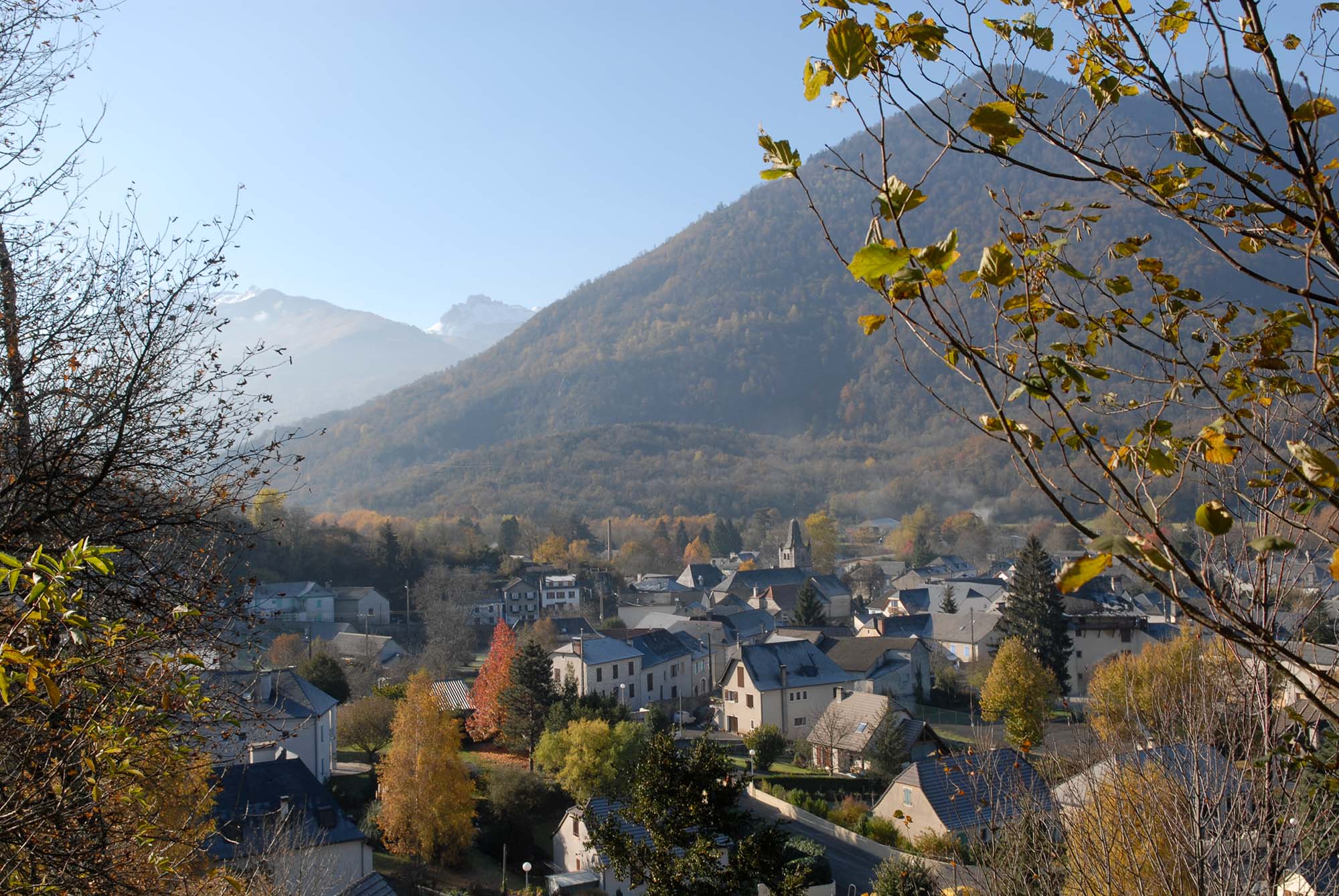
The village of Louvie-Juzon, one of the most populous in the valley.
According to legend, it owes its name to the former presence of wolves (‘louvie’), which once lived in great numbers in the surrounding forests.
These animals were particularly numerous to the east of the village, towards Lourdes, and the inhabitants were renowned as skilled hunters. Today, their memory lives on mainly in the nickname given to the inhabitants, the ‘louveteaux’ (cub wolves), as well as in a few carvings on the church bell tower, worn by time.
From a historical perspective, the village’s name appears as early as the 12th century in various ancient forms, such as Luperium, Lobier or Lobiher-Jusoo.
The term ‘Juzon’ means ‘lower’, in contrast to Louvie-Soubiron, situated further upstream in the valley, which reflects the geographical layout of the region.
Location and layout of the village
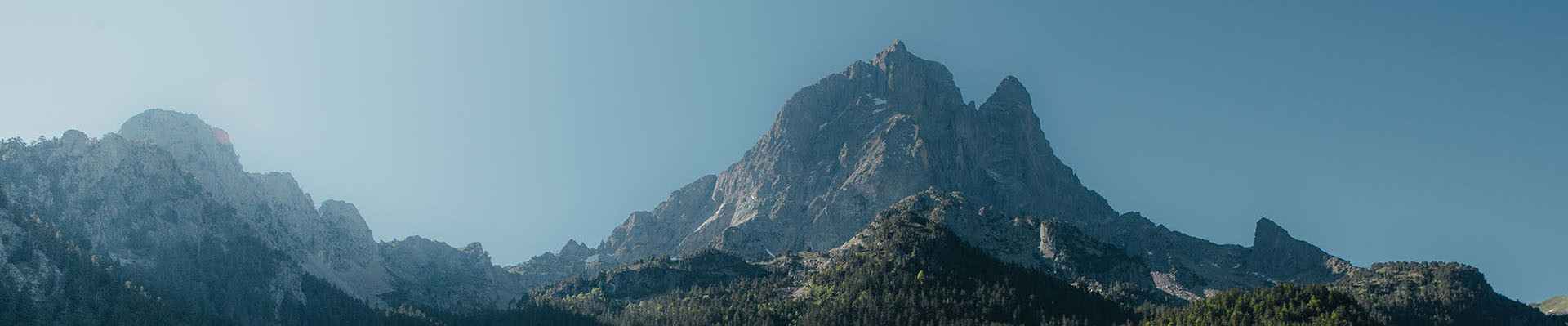
Situated at the foot of Mount Rey, on the road linking Nay to Lourdes, the village extends mainly around the districts of Pédéhourat and Pédestarrès.
It retains a rich architectural heritage, with several houses dating from the 17th and 18th centuries, bearing witness to its history and development.Saint-Martin Church
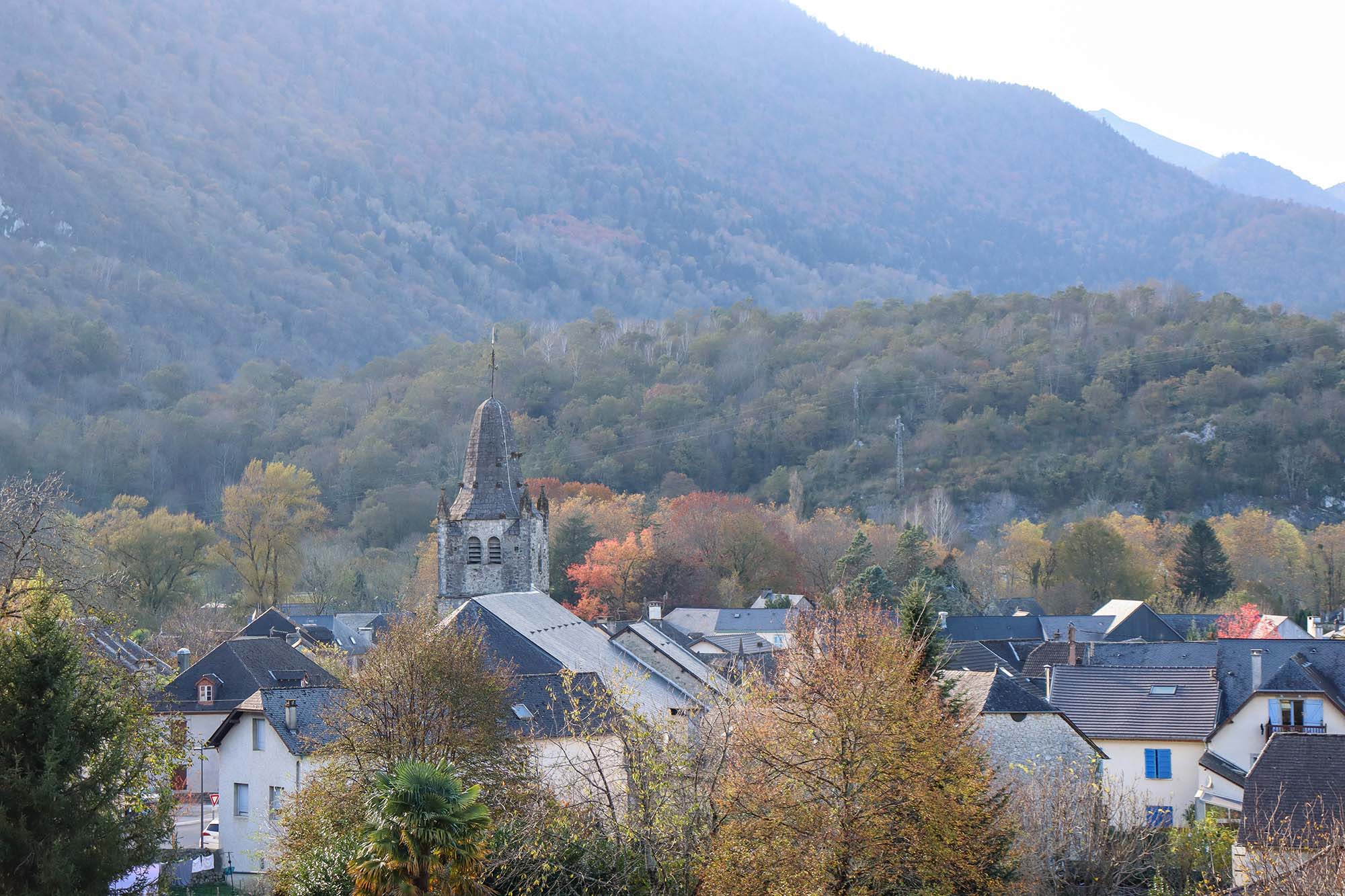
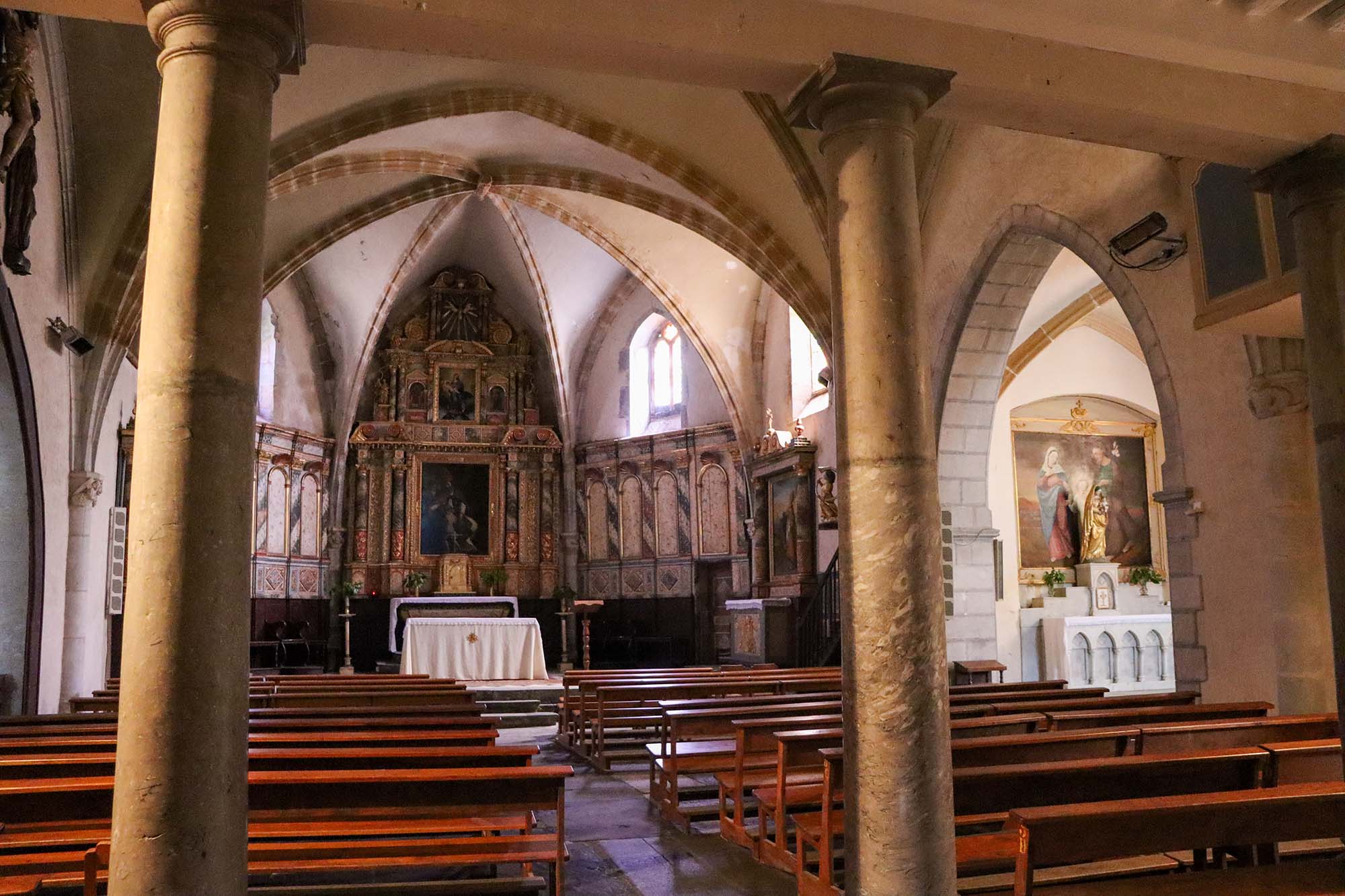
In the heart of the village stands Saint-Martin Church, built in the 16th century in the Gothic style typical of the valley, and subsequently extended over time until its completion at the end of the 19th century. It replaces an older building, probably Romanesque.
Its tower served as a prison for many years.
Its bell tower, unique in Béarn, is topped by a slender stone spire reaching a height of 29 metres. The interior of the church is particularly remarkable, featuring numerous carved capitals and keystones, many of which depict figures.
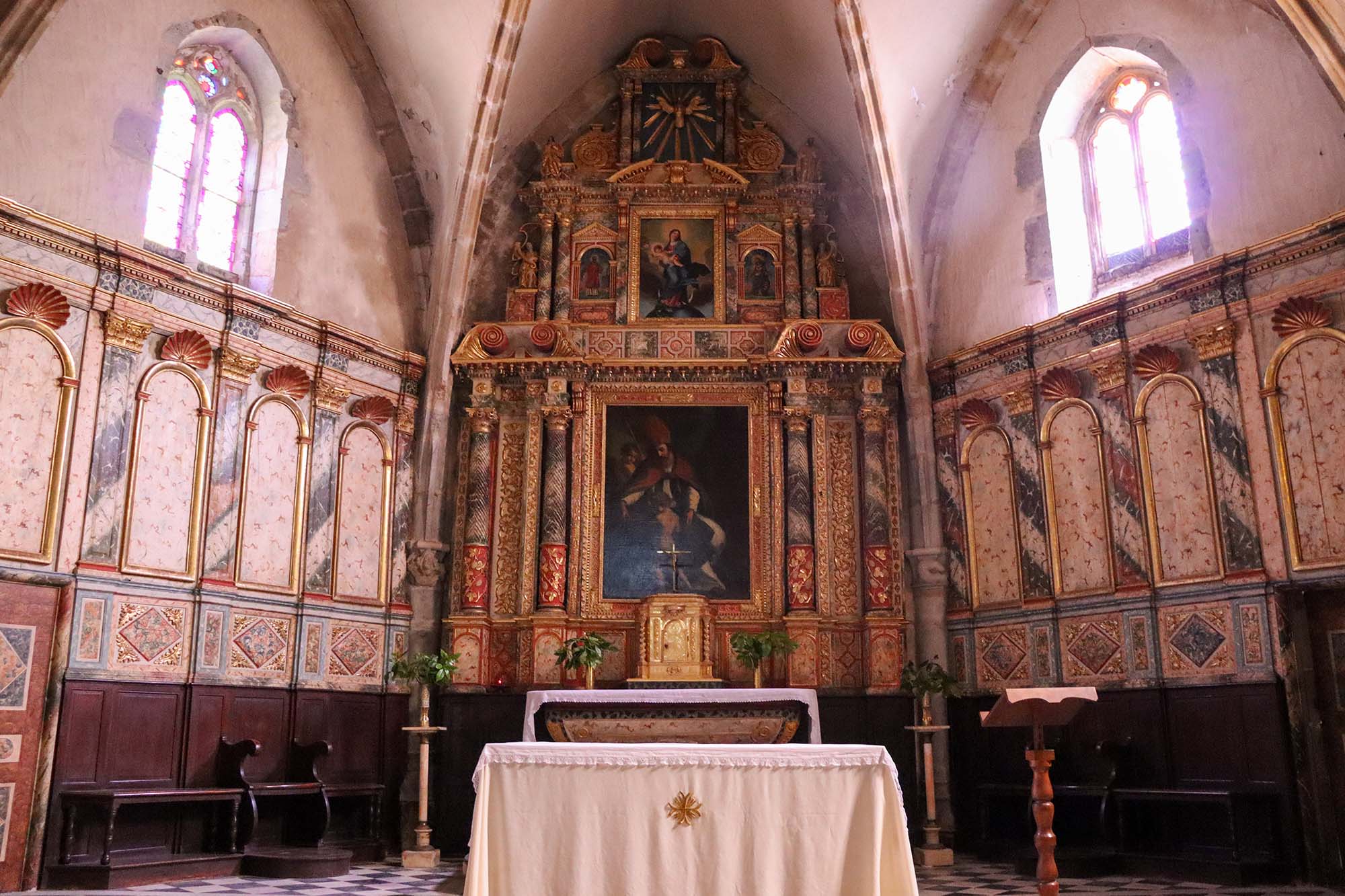
The furnishings are also of great richness; the choir, the gilded and carved wooden pulpit, and the polychrome altarpiece date from the 17th century.
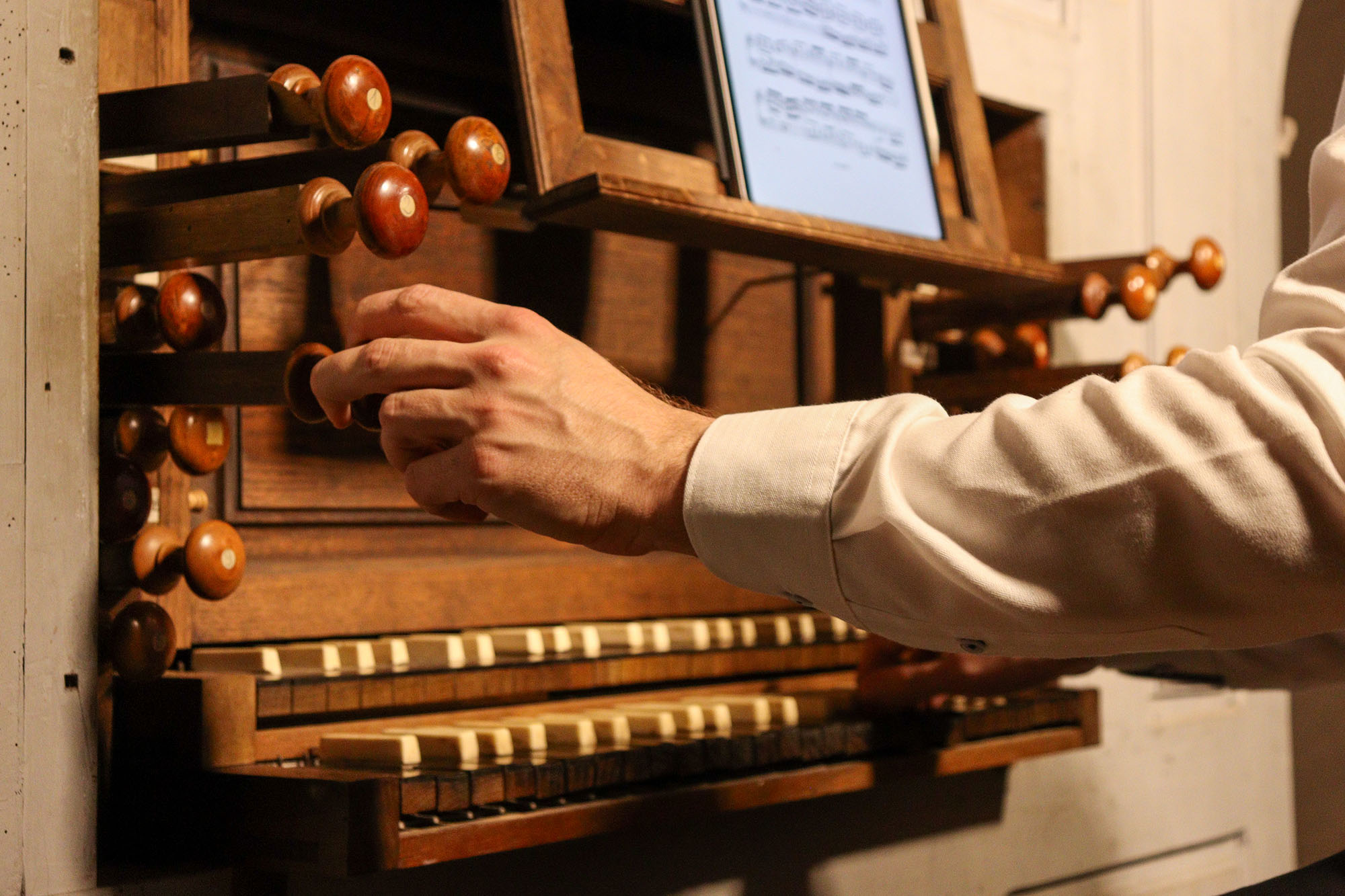
The baptismal font and the organ case, listed as a Historic Monument, date back to the 18th century.
A place of passage and culture
Situated on the route from Ossau to Santiago de Compostela, Louvie-Juzon has long been a stopping point for pilgrims, who can still stop off there today.
Every summer, the church also becomes a major cultural venue thanks to the Estives Musicales Internationales, a classical music festival centred around its historic organ.